Indian renewable energy major Adani Green Energy has operationalised 951MW of renewable energy capacity across projects in Rajasthan and Gujarat.
Why it matters: Prepare for technology and cost expectations set by global utility-scale giants.
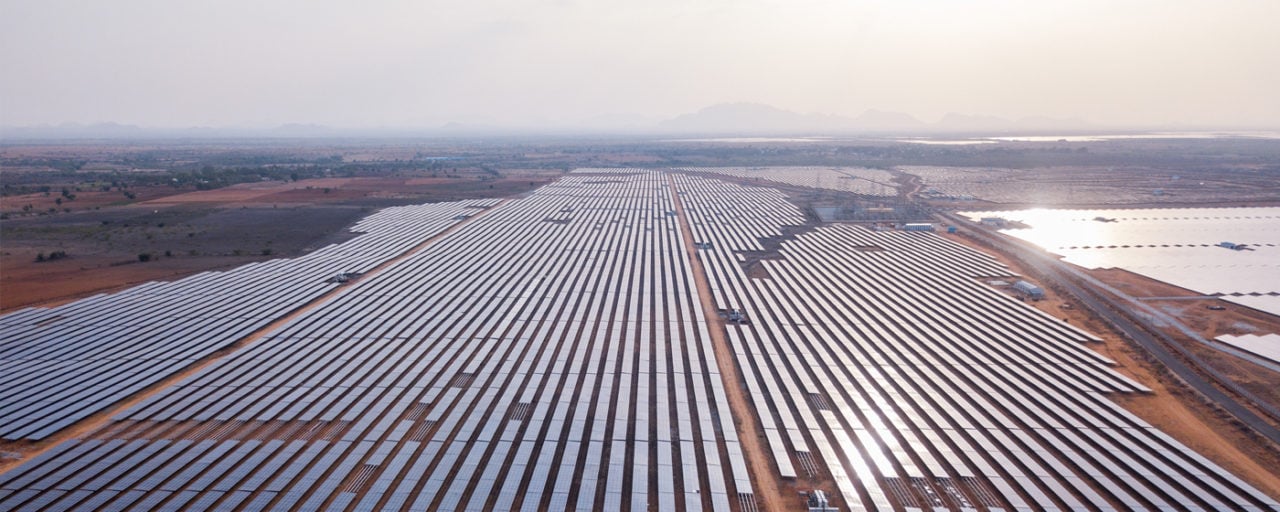
Indian renewable energy major Adani Green Energy has operationalised 951MW of renewable energy capacity across projects in Rajasthan and Gujarat.
Why This Matters for European Solar Installers
While this is an Indian project, it represents a global trend that directly impacts European installers: the massive scaling of utility solar. When a single developer can add nearly 1GW in one announcement, it changes the entire industry's cost and technology expectations.
Market Context & Implications
European installers operate in a different market structure—more fragmented, with stronger focus on rooftop and commercial-scale projects. However, the supply chain and technology advancements driven by these mega-projects eventually trickle down. The modules, inverters, and mounting systems used in Rajasthan today will be the cost-competitive options in Germany or Italy in 12-18 months. This creates both opportunity and pressure: opportunity to access better technology at lower prices, but pressure as customers' expectations for system performance and ROI are set by these utility-scale benchmarks.
What Solar Businesses Should Watch For
Watch Adani's technology choices closely—are they using bifacial modules with trackers? New inverter configurations? Their scale gives them bargaining power with manufacturers that shapes what products become mainstream. Also, note that this expansion comes despite well-publicized financial challenges for Adani Group. This suggests that solar project finance continues to flow to credible developers, a positive signal for European developers seeking funding. Finally, European installers should prepare for increased competition in the C&I segment as utilities, inspired by these scale successes, look to expand into distributed generation.