Australia's utility-scale solar PV and wind assets generated a combined 4.7TWh in March 2026, according to data from Rystad Energy.
Why it matters: Prepare for the coming shift from solar installation to intelligent grid integration and storage.
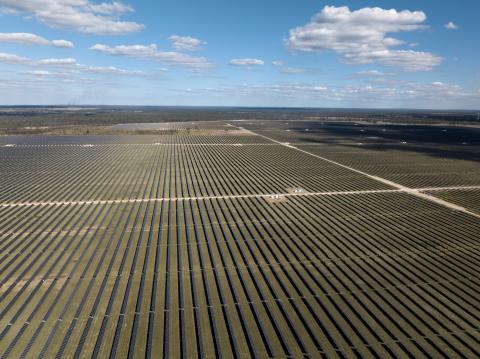
Australia's utility-scale solar PV and wind assets generated a combined 4.7TWh in March 2026, according to data from Rystad Energy.
While this is an Australian story, European solar installers should see this as a critical stress test for our own grids. Australia has been a global laboratory for high renewable penetration, dealing with similar challenges Europe now faces: grid congestion, curtailment during peak solar hours, and the need for massive storage and flexible demand.
Market Context: Europe is Following the Same Trajectory
Spain, Germany, and Greece are already experiencing days where solar meets 50%+ of midday demand. The Australian data shows what happens when you push beyond 30-40% annual renewable share—the focus shifts from building capacity to managing it intelligently. This is where the European solar market is heading in the next 3-5 years.
What Solar Businesses Should Watch For
Australia's 4.7TWh month proves the technical viability but also highlights the commercial complexity at scale. European installers must prepare for this next phase where value comes from integration, not just installation.