March saw declines in both utility-scale and rooftop solar.
Why it matters: Prepares installers for inevitable seasonal dips by shifting sales focus to year-round energy security and storage integration.
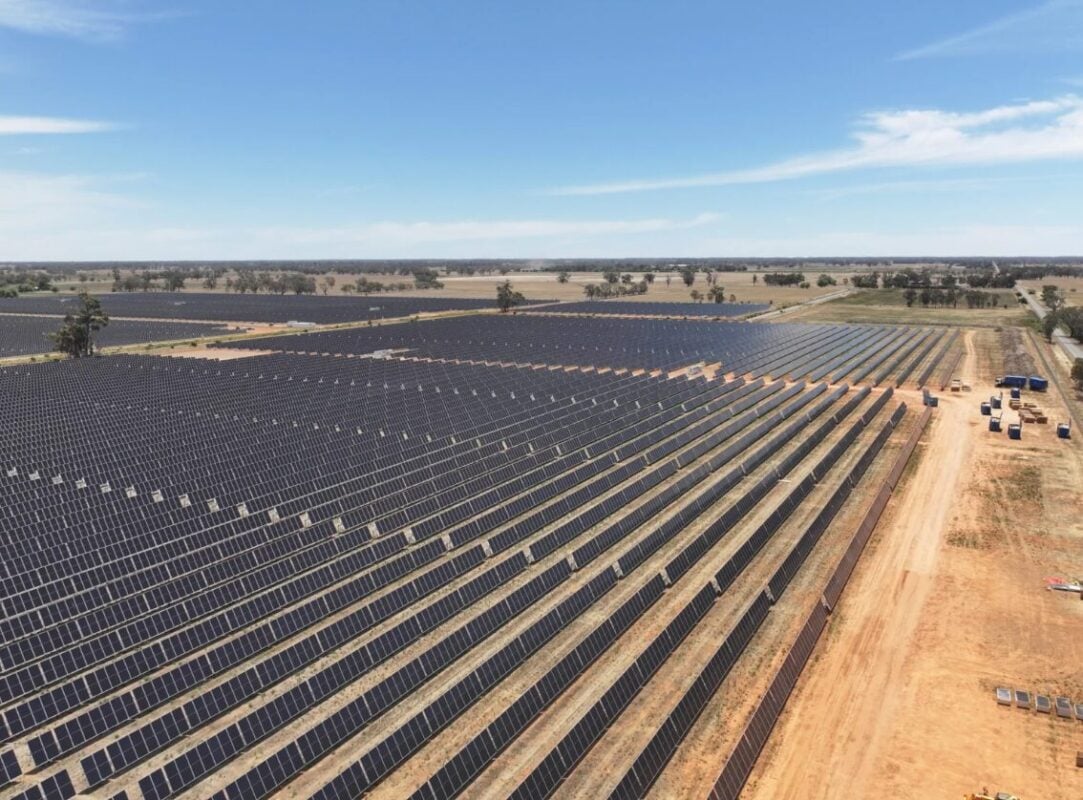
March saw declines in both utility-scale and rooftop solar.
While this data comes from Australia, it's a critical reminder for European solar businesses about the fundamental challenge of seasonality. The 24% drop in generation during autumn transition mirrors what installers across Germany, the UK, and Scandinavia experience every year as daylight hours shorten. This isn't just a weather report—it's a core business reality that impacts cash flow, system sizing, and customer expectations.
Market Context: Storage is No Longer Optional
The Australian market, with its high penetration of both utility-scale and rooftop PV, is a leading indicator. Their seasonal generation swings highlight why the European market's pivot towards solar-plus-storage and hybrid systems is accelerating. In markets like Italy and Spain, where grid constraints are emerging, and in Northern Europe, where winter self-consumption is key, a solar-only proposal is becoming commercially inadequate. Installers who fail to integrate storage and energy management into their core offering risk losing deals to competitors who can guarantee higher annual self-consumption rates.
What to Watch: The Winter Readiness Gap
European installers should use the off-peak summer period to proactively address this. Watch for two things: customer education and product bundling. First, are you clearly managing customer expectations about winter output during the sales process? Second, are you structuring finance or lease packages that make adding a battery now more attractive than retrofitting later? The installers who will thrive this coming winter are those selling year-round energy security today, not just summer generation peaks. Use data like this to have smarter conversations with customers about system design and long-term value.