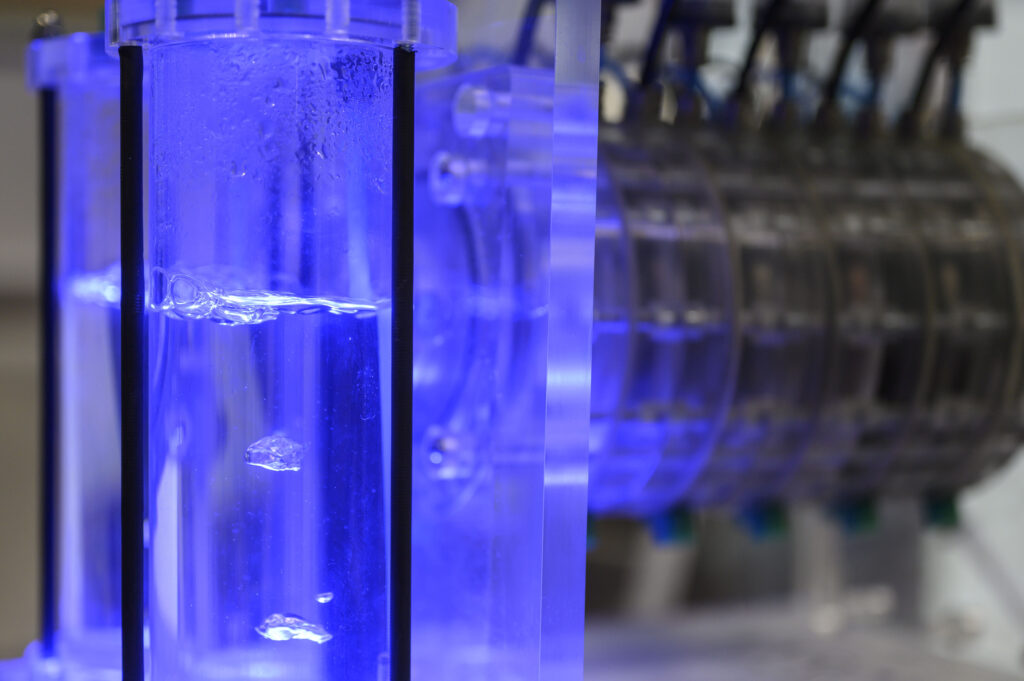
El BOCyL ha anunciado, durante la segunda quincena de marzo, la declaración de impacto ambiental de cuatro proyectos renovables, entre los que destaca un proyecto de hidrógeno verde de 130 MW ubicado en Burgos.
Why it matters: Signals a shift toward large-scale, industrial solar-plus-hydrogen projects requiring new skills and partnerships.
This regional approval in Castilla y León signals a major shift from pure solar PV to integrated energy systems. For installers, it's no longer just about rooftop panels or ground-mount farms. The future lies in becoming energy system integrators. A 130MW green hydrogen plant requires a massive upstream solar or wind farm—likely 200-300MW of capacity. That's the real opportunity hidden in this announcement.
Market Context: Spain's PERTE ERHA in Action
This is the tangible result of Spain's Strategic Project for Economic Recovery and Transformation (PERTE) for Renewable Energies, Renewable Hydrogen, and Storage. The region is positioning itself as a hub for hard-to-abate industries like fertilizer production (hence the 500MW green ammonia). Installers in Burgos and surrounding provinces should be tracking which EPC contractors win these large-scale renewable tenders—they'll need local partners for construction and O&M.
What Solar Businesses Should Watch For
This isn't just regulatory news—it's a market signal that the most lucrative solar projects in Spain will increasingly be tied to industrial decarbonization, not just the electricity market.