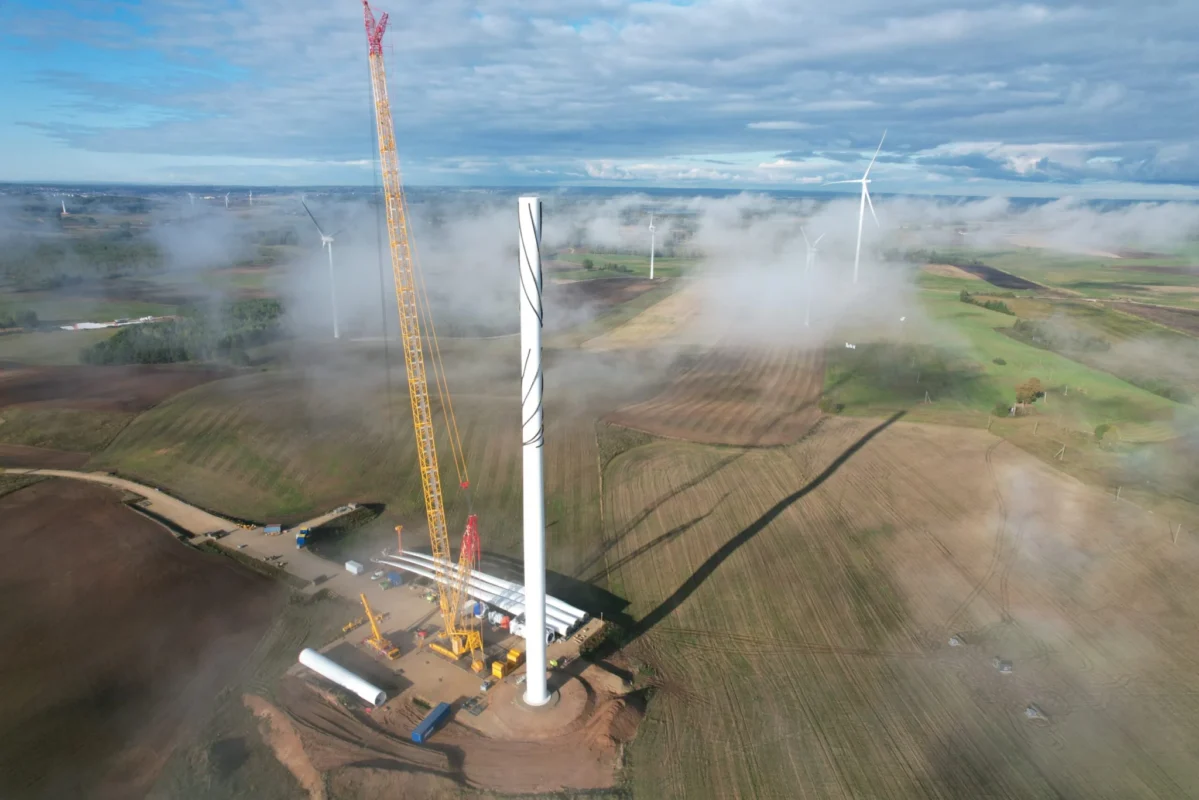
Danish independent power producer (IPP) European Energy has divested a 470MW hybrid project in Lithuania to Israel-based IPP Energix.
Why it matters: Highlights the need for local installers to build partnerships with deep-pocketed international project owners entering their markets.
This transaction is a clear signal of the accelerating consolidation and internationalization of the European solar development market. For installers, it underscores that the competitive landscape is no longer just local or even national—major international players with deep capital are actively acquiring shovel-ready projects across the continent.
Market Implications: A Shift in Project Ownership
The sale from a Danish to an Israeli developer highlights two key trends. First, the Baltics, particularly Lithuania, are becoming a hotspot for utility-scale hybrid (solar+storage) projects due to favorable grid conditions and ambitious national renewable targets. Second, we're seeing a maturation of the project pipeline. Developers like European Energy are increasingly acting as 'project factories,' building portfolios to a certain stage before selling them to larger operators or funds specializing in long-term asset management. This creates both a challenge and an opportunity for local installers: the challenge is competing with these well-capitalized entities for land and grid connections; the opportunity lies in positioning themselves as the preferred local EPC or O&M partner for these new international owners who lack on-the-ground expertise.
What Solar Businesses Should Watch
Installers should monitor two things closely. Watch the Baltic grid: As more hybrid projects come online, understanding curtailment risks and grid service revenue streams will be crucial for anyone involved in larger systems. Build partnership capabilities: The ability to seamlessly integrate with an international IPP's systems and reporting standards is now a valuable skill. This isn't just about installation quality; it's about data transparency, asset management software compatibility, and financial reporting. Companies that can offer this turnkey local partnership will be in high demand as more projects change hands.