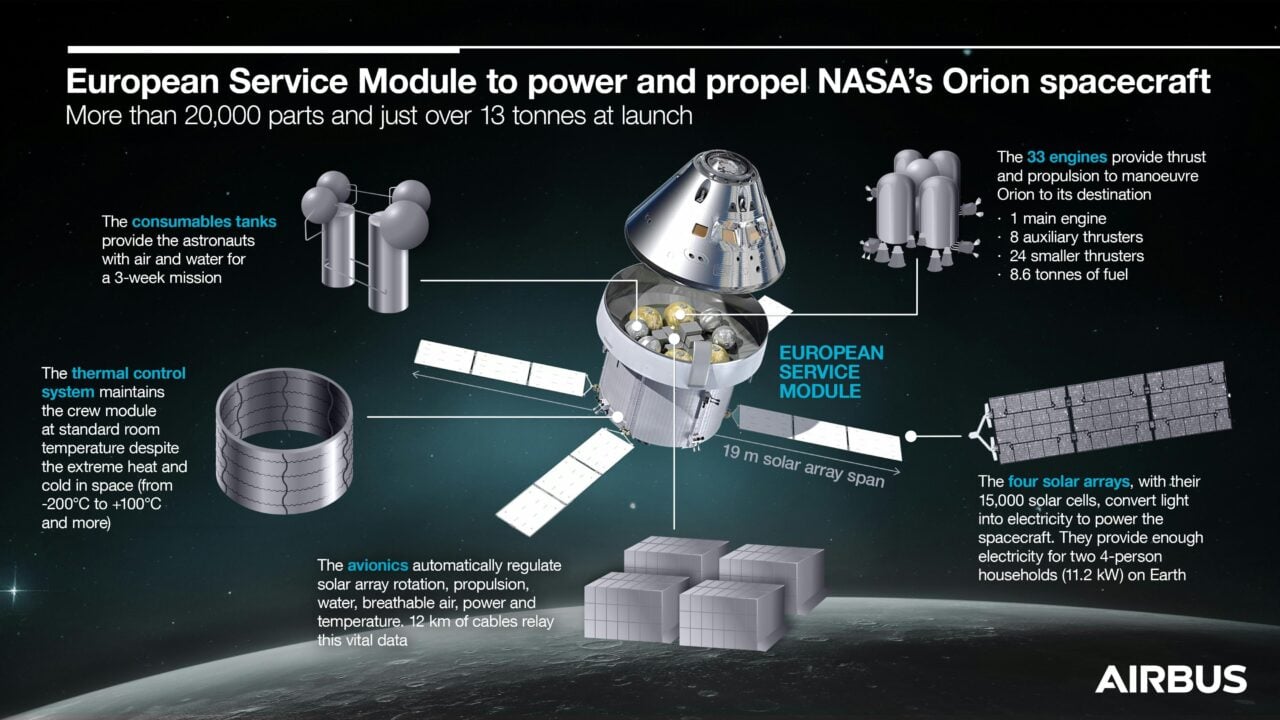
Four giant solar ‘wings’ will provide power for the first crewed mission to the Moon in over 50 years, due to launch later today.
Why it matters: Leverage this high-profile validation to build trust and justify the value of premium European solar technology to your customers.
Why This Matters for European Solar Installers
This isn't just a PR win for European solar manufacturing—it's a powerful validation of the extreme reliability and performance standards our industry can achieve. When European-made solar arrays are chosen for a mission as critical and high-profile as NASA's Artemis program, it sends a clear signal to commercial and residential customers: the technology coming out of Europe is world-class and built to last. For installers, this is a tangible story to tell clients who might be weighing European panels against imports.
Market Context & Implications
This news arrives at a pivotal moment. The EU is aggressively pushing its Net-Zero Industry Act and European Solar Charter to reshore solar manufacturing and reduce dependency on imports, primarily from China. A high-visibility success like Artemis provides crucial ammunition for policymakers and investors arguing that European solar tech is not just viable, but superior for demanding applications. It strengthens the case for the 'Made in EU' label as a premium, high-reliability brand—a narrative installers can leverage to justify potentially higher upfront costs for European equipment.
What Solar Businesses Should Watch For
Ultimately, while your clients aren't powering a lunar module, they are investing in a system for 25+ years. This mission proves that the underlying European technology can be trusted in the most unforgiving environment imaginable.