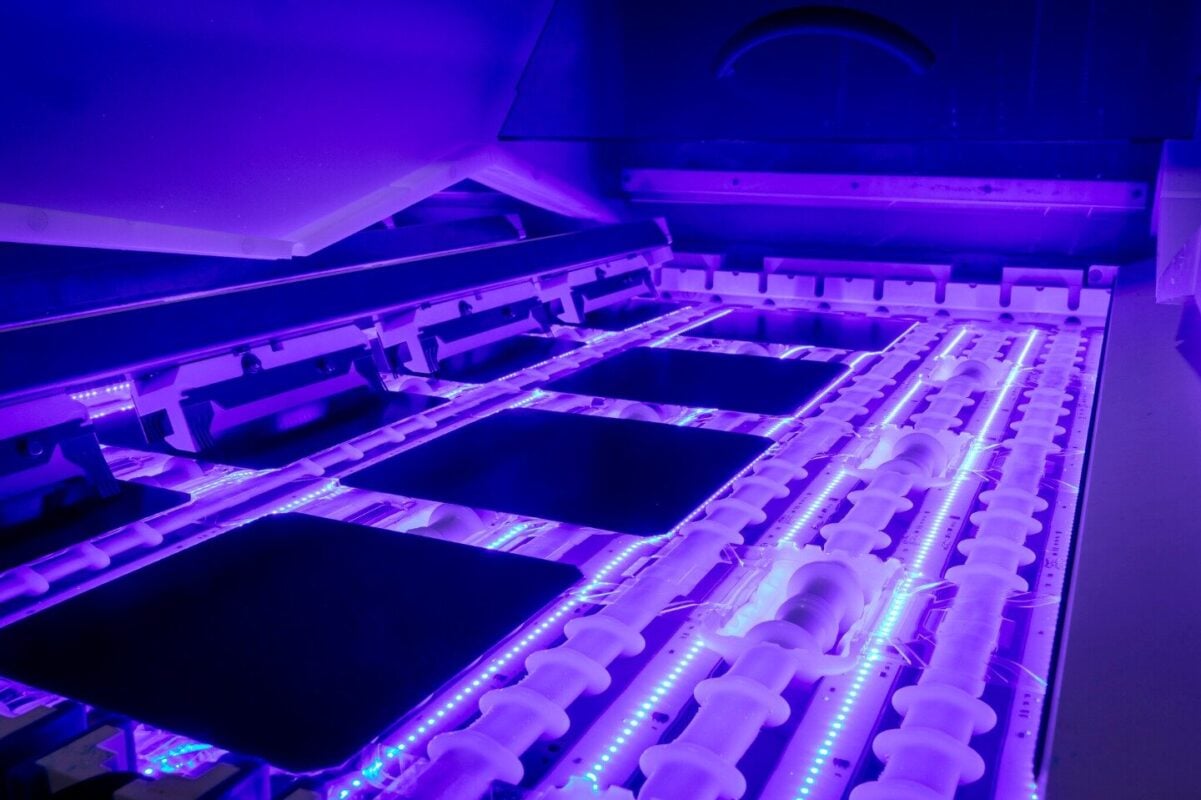
Researchers at Germany's prestigious Fraunhofer Institute for Solar Energy Systems (ISE) have announced a significant materials breakthrough. Their team has successfully developed a method to drastically cut the amount of silver required in the production of advanced TOPCon solar cells, achieving a reduction by an order of magnitude.
A Strategic Leap for Cell Manufacturing
This innovation addresses one of the most pressing cost and supply chain challenges in photovoltaic manufacturing. Silver is a critical, high-value conductive material used in the front-side contacts of solar cells to collect electrical current. With the industry rapidly transitioning from PERC to more efficient TOPCon (Tunnel Oxide Passivated Contact) technology, silver consumption had become an even greater concern due to the cell design. The Fraunhofer team's new metallization technique, which involves precise, ultra-fine line printing and alternative material formulations, slashes the silver content per cell to a fraction of previous requirements. This directly tackles manufacturing costs and reduces dependency on a volatile raw material.
Implications for the European Solar Value Chain
For the European solar sector, this development carries substantial strategic weight. It promises to enhance the competitiveness of regional cell and module production at a time when rebuilding a resilient manufacturing base is a key political and industrial goal.
The potential benefits are multifaceted:
- Cost Resilience: Lower silver use insulates manufacturers from price spikes in the precious metals market, leading to more stable and predictable production costs.
- Supply Security: It mitigates a critical supply chain risk, as silver availability can be a bottleneck for scaling production volumes globally.
- Sustainability Profile: Reducing the use of a resource-intensive material improves the overall environmental footprint of the finished solar module, a growing priority for European buyers.
Paving the Way for Next-Generation Tech
Beyond immediate cost benefits, this advancement is a crucial enabler for future cell architectures. Even more efficient technologies like silicon heterojunction (HJT) and tandem cells are also heavily reliant on silver contacts. The processes pioneered by Fraunhofer ISE for TOPCon cells provide a clear pathway to make these next-generation technologies commercially viable sooner. By solving the silver bottleneck today, European R&D is helping to secure the technological roadmap for tomorrow's high-performance photovoltaics.
While moving from lab success to full-scale industrial production will require further development, this achievement from Fraunhofer ISE is a compelling demonstration of European innovation directly tackling industry pain points. It provides a tangible boost to the economics of advanced solar manufacturing, strengthening the case for a robust and technologically leading solar value chain on the continent.