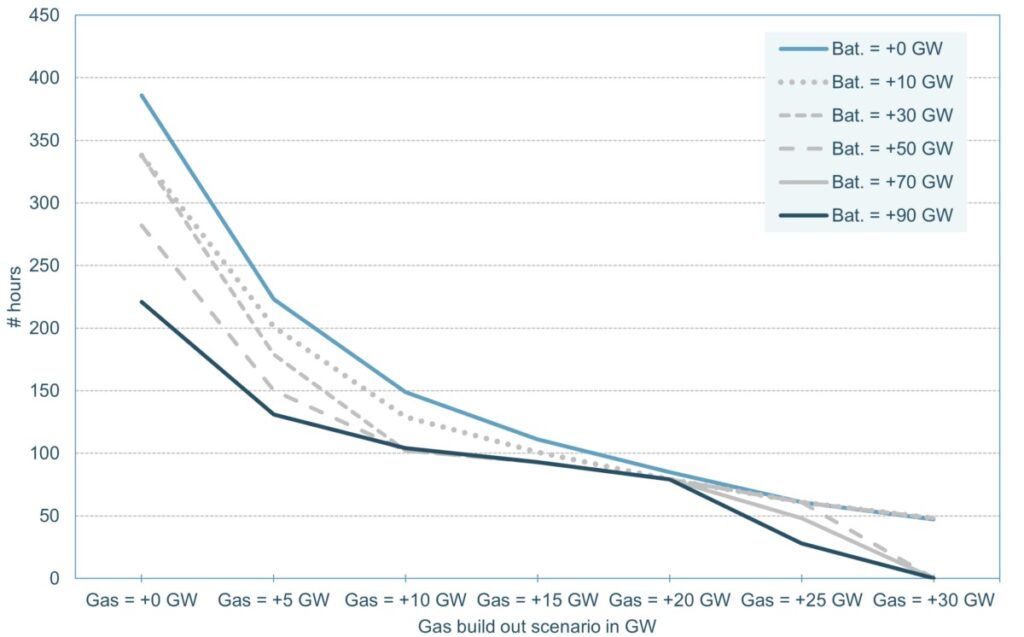
El estudio concluye que, durante episodios de baja generación renovable, parte de la producción de las centrales de gas se destinaría incluso a la carga de baterías, lo que refuerza la necesidad de una combinación equilibrada de tecnologías para garantizar la estabilidad del sistema eléctrico.
Why it matters: Forces solar installers to redesign system offerings around grid-hybrid optimization rather than pure independence.
This German study reveals a critical reality for European solar installers: storage alone won't solve the Dunkelflaute problem. While we're selling battery systems as the ultimate grid independence solution, this research confirms that during prolonged low-renewable periods, even batteries will need fossil backup to recharge. This isn't just theoretical—it has immediate implications for how we design and sell systems.
Market Context: The Hybrid Reality
Germany's Energiewende has been the European benchmark, but this study exposes the limitations of a pure renewables-plus-storage approach. For installers across Europe facing similar grid constraints, this means we're entering an era of hybrid system optimization rather than complete fossil fuel replacement. The market is shifting from "off-grid dreams" to "grid-optimized reality."
What Solar Businesses Should Watch
This study should prompt installers to develop more sophisticated system architectures that acknowledge grid realities rather than fighting them.