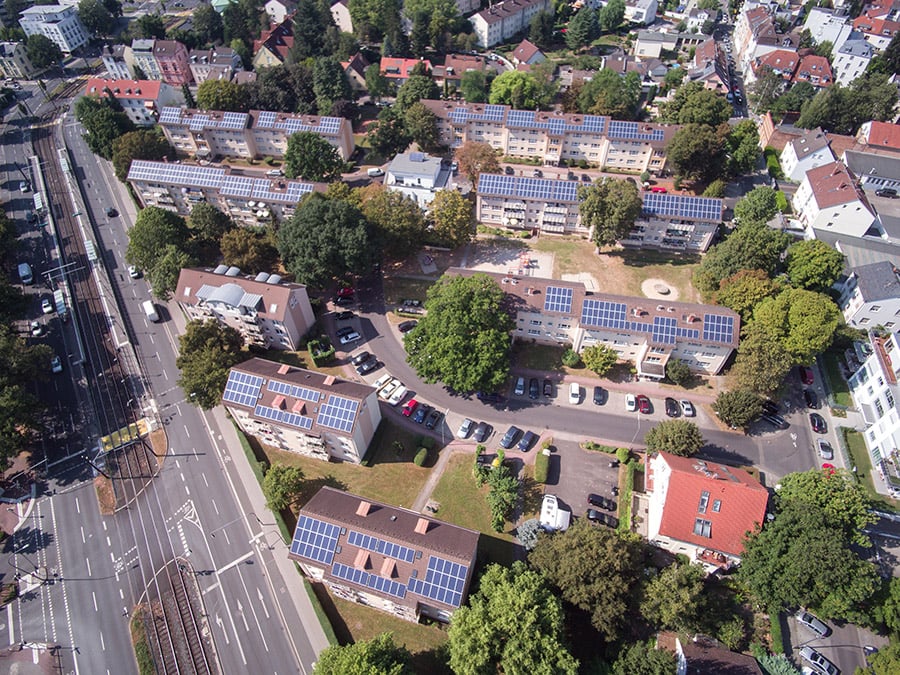
The German Federal Network Agency has awarded 155MW of rooftop solar of 283MW of available capacity in its latest tender.
Why it matters: Highlights the growing unviability of state tenders, pushing installers toward private commercial and residential markets.
This tender result is a flashing amber light for the German solar installation market. An undersubscription of nearly 45% of available capacity is not a minor blip; it signals a significant disconnect between the tender mechanism and on-the-ground business realities for installers.
Why This Matters for Installers
For European solar businesses, Germany is the bellwether. When its tenders struggle, it reflects systemic pressures we're seeing across the continent: soaring equipment and labor costs, complex bureaucracy, and razor-thin margins that make bidding on these large-scale rooftop projects financially untenable for many mid-sized installers. The tender system, designed to drive down prices, is now hitting a wall where the offered tariffs simply don't cover the real cost of deployment in 2024.
Market Implications
This isn't just a German problem. We're seeing similar hesitancy in other EU markets with tender systems. It creates a paradox: governments have ambitious targets, but the primary mechanism to achieve them is faltering. The risk is a two-tier market: a handful of large players who can absorb losses to win tenders, and a fragmented residential/small-commercial sector. This undermines the healthy, competitive ecosystem needed for the energy transition.
What to Watch For
Solar businesses should monitor the Bundesnetzagentur's response closely. Will they adjust tariff ceilings or simplify bidding rules? More importantly, installers should diversify. The tender shortfall highlights the enduring strength of the merchant and private PPA markets for commercial rooftops, where speed and customer relationships beat bureaucratic processes. The smart money is on building a pipeline less dependent on state auctions and more on direct corporate and community energy partnerships.