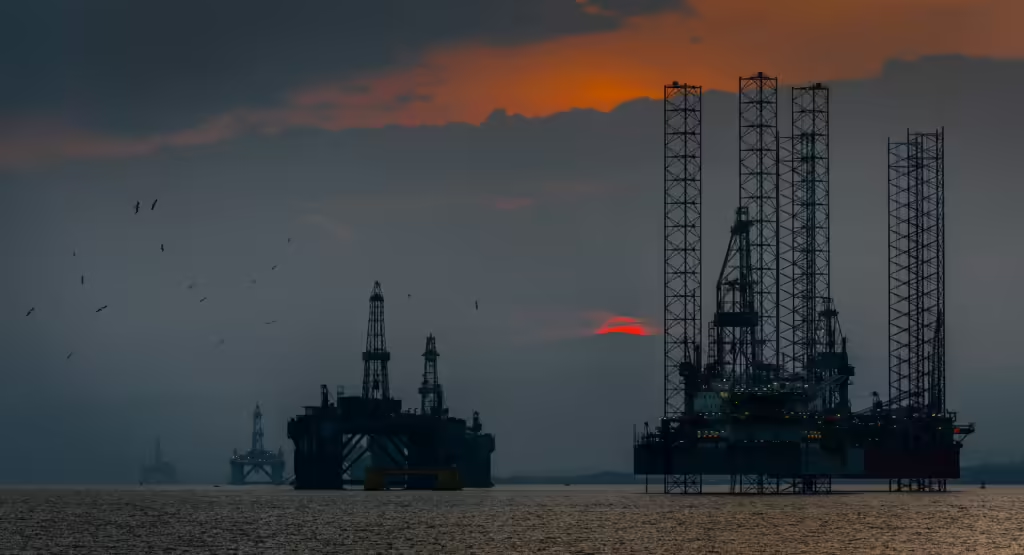
Un análisis de la consultora Rystad Energy identifica que una interrupción prolongada en esta ruta marítima afectaría de forma significativa al comercio internacional de amoníaco y urea, dos insumos clave para la producción agrícola intensiva la seguridad alimentaria.
Why it matters: Prepare for potential solar panel price increases and supply chain delays stemming from a critical raw material shortage.
Why This Matters for European Solar Installers
This isn't just an agricultural story. Urea is a critical feedstock for producing high-purity polysilicon, the foundational material for solar panels. A significant portion of the global polysilicon supply chain relies on stable ammonia and urea imports. For European installers, this is a direct upstream supply chain risk that could translate into panel price volatility and availability issues within 6-12 months.
Market Context & Implications
The European solar market is already navigating a delicate balance. While panel prices have been low due to oversupply from China, this geopolitical risk exposes a critical vulnerability. China itself is a major importer of urea for its own manufacturing. A supply shock could tighten global polysilicon supplies, potentially reversing the recent price decline. This comes as the EU seeks to build its own resilient solar manufacturing base under the Net-Zero Industry Act. A urea shortage would hit both Chinese imports and nascent European production simultaneously.
What Solar Businesses Should Watch For
This is a classic 'black swan' event that most solar businesses don't have on their radar. It connects Middle Eastern geopolitics directly to your project margins.