NTPC Renewable Energy has commenced commercial operations at two plants totalling 168.02MW in Khavda, Gujarat.
Why it matters: Highlights the global scale competition that dictates your component costs and market strategy.
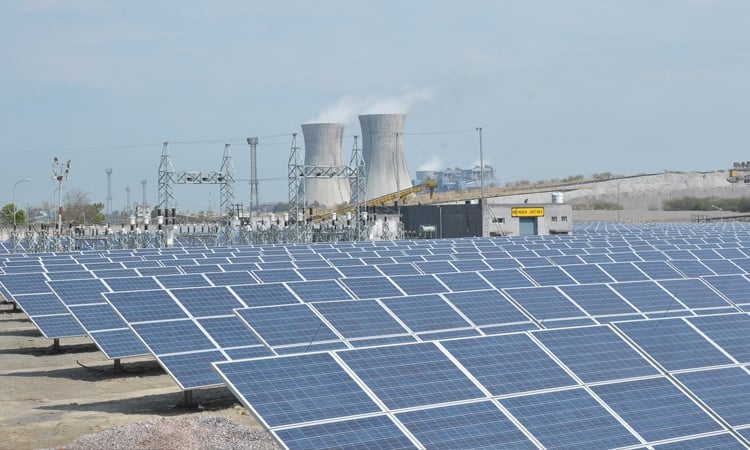
NTPC Renewable Energy has commenced commercial operations at two plants totalling 168.02MW in Khavda, Gujarat.
While this news is about India, it's a flashing signal for European solar installers. The scale and speed of deployment in markets like India directly impact the global supply chain, component pricing, and competitive pressure on European manufacturers. When a state-backed giant like NTPC adds capacity measured in hundreds of megawatts from a single site, it reinforces a global trend of utility-scale dominance that European commercial and residential installers must navigate.
Market Context: The Scale vs. Localization Battle
Europe's solar strategy is bifurcating. On one side, there's a push for strategic autonomy and local manufacturing (via the Net-Zero Industry Act). On the other, the market reality is still dominated by cost-competitive imports, largely from Asia. Projects like Khavda demonstrate the immense economies of scale achievable elsewhere, keeping price pressure on panels and inverters that European installers rely on. This creates a tricky balancing act: advocating for European resilience while delivering projects at prices customers expect.
What Solar Businesses Should Watch
Ignore global capacity news at your peril. It sets the baseline for your material costs and defines the competitive landscape you operate within.