Toyo Solar shipped 4.5GW of cells in FY2025, surpassing its full-year target, while module shipments reached 249MW.
Why it matters: Highlights the need to diversify supply chains beyond China as global manufacturers scale.
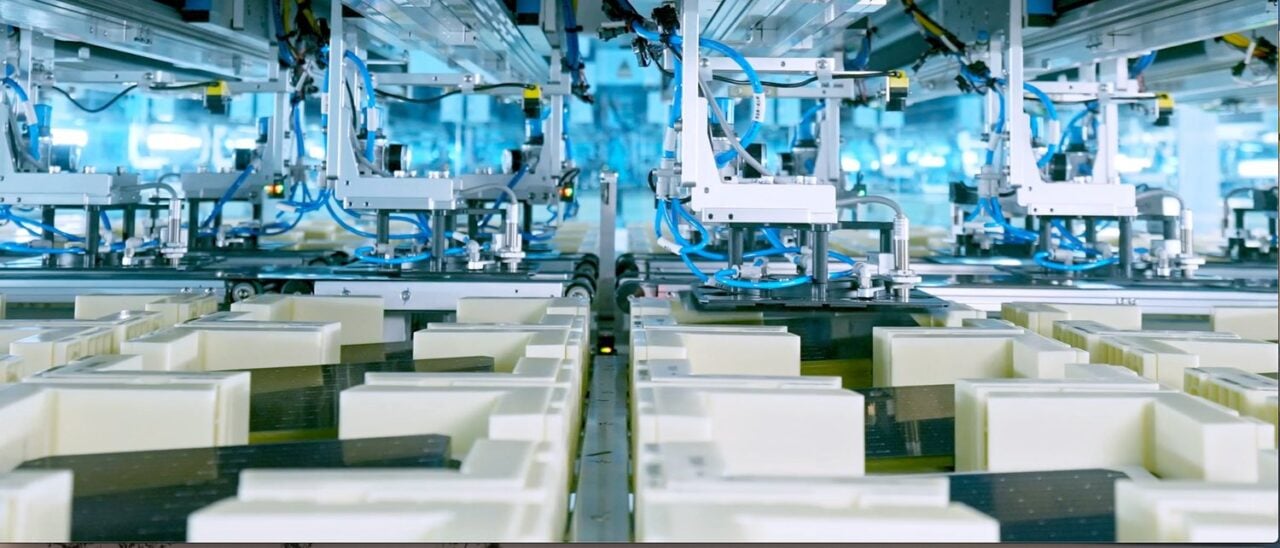
Toyo Solar shipped 4.5GW of cells in FY2025, surpassing its full-year target, while module shipments reached 249MW.
This isn't just a Japanese success story—it's a warning flare for European installers about the shifting sands of global solar supply. While Europe grapples with its own manufacturing ambitions under the Net-Zero Industry Act, established Asian players like Toyo are scaling production and hitting aggressive targets. Their 4.5GW cell shipment figure is particularly telling; it highlights a continued global oversupply in upstream components, which will keep downward pressure on prices for the modules European installers actually buy.
The EU's Fragile Supply Chain Reality
For European solar businesses, the narrative of 'strategic autonomy' clashes with the reality of cost-competitiveness. Toyo's performance underscores that non-Chinese Asian manufacturers are becoming more reliable and scalable alternatives. While the EU dithers on tariffs and subsidies, these companies are securing market share. Installers relying on cheap imports for project economics should watch this trend closely—it could mean more diversified sourcing options, but also increased competition from installers in other regions using the same cost-effective equipment.
What Solar Businesses Should Watch
Monitor pricing trends for Tier-1 non-Chinese modules. Successes like Toyo's could lead to more competitive bids from Japanese and Korean brands against Chinese giants. Re-evaluate procurement strategies. Don't put all your eggs in the 'EU-made' basket just yet; have contingency plans with reliable Asian suppliers. Watch for policy reactions. The European Commission's anti-dumping and anti-subsidy investigations could next turn towards these growing non-Chinese Asian producers if they gain too much market share, potentially disrupting supply chains again. The takeaway? Global supply is fluid, and European installers must be agile procurers, not ideological ones.