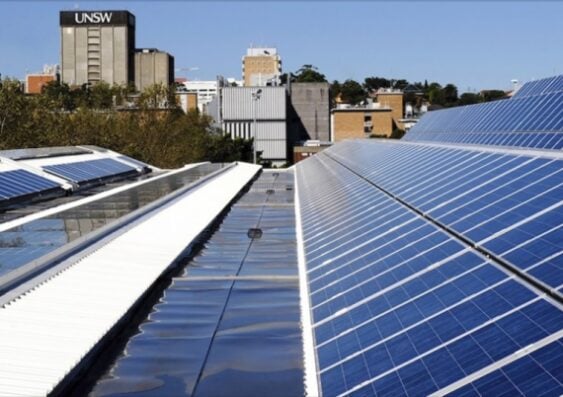
In a significant development for the solar sector, engineers at the University of New South Wales have unveiled a pioneering global model for ultraviolet radiation exposure on photovoltaic panels. This research provides the first detailed, location-specific analysis of how UV light—a key factor in material degradation—impacts solar installations worldwide.
New Insights into Module Durability Challenges
The study's findings suggest that next-generation solar panel technologies, particularly those using advanced polymers and novel encapsulants designed for higher efficiency, may face faster-than-anticipated wear when exposed to intense UV light. The research model indicates that the actual solar spectrum hitting a module in the field can be harsher than the standard laboratory testing conditions used for certification. This discrepancy means that modules, especially newer designs pushing material boundaries, could degrade more quickly in real-world operation, potentially affecting their long-term energy yield and financial returns.
Critical Implications for the European Market
For European installers and asset owners, this research carries substantial weight. The continent's solar market is rapidly evolving, with a strong push towards high-efficiency modules to maximize energy production from limited rooftop and land space. The UV exposure map reveals considerable regional variation. For instance, installations in Southern Europe, such as in Spain or Italy, are subjected to significantly more damaging UV radiation than those in Central or Northern Europe.
This geographical nuance is crucial for making informed decisions. It underscores the importance of selecting module technologies and materials that are specifically validated for the local climate, rather than relying solely on standard lab ratings. Key considerations for the industry now include:
- Material Selection: Scrutinizing the UV resistance claims of new encapsulants and backsheets used in next-gen panels like bifacial or heterojunction modules.
- Warranty & Lifespan Analysis: Re-evaluating long-term performance guarantees in the context of local UV stress, which could influence levelized cost of energy (LCOE) calculations.
- Installation & Maintenance Planning: Understanding that system durability is not just about initial efficiency but about resilience to location-specific environmental stressors.
A Call for Enhanced Standards and Informed Procurement
The UNSW study acts as a vital wake-up call, highlighting a potential gap between accelerated laboratory aging tests and decades of real-world environmental exposure. For the European solar industry, committed to quality and long-term reliability, the path forward involves leveraging this new data. It empowers professionals to ask manufacturers more pointed questions about product testing and durability claims, particularly for the latest module technologies entering the market. Ultimately, integrating this understanding of localized UV risk into procurement and system design is essential for safeguarding investments and ensuring the promised 25- to 30-year lifespans of solar assets are achieved in practice across Europe's diverse climates.