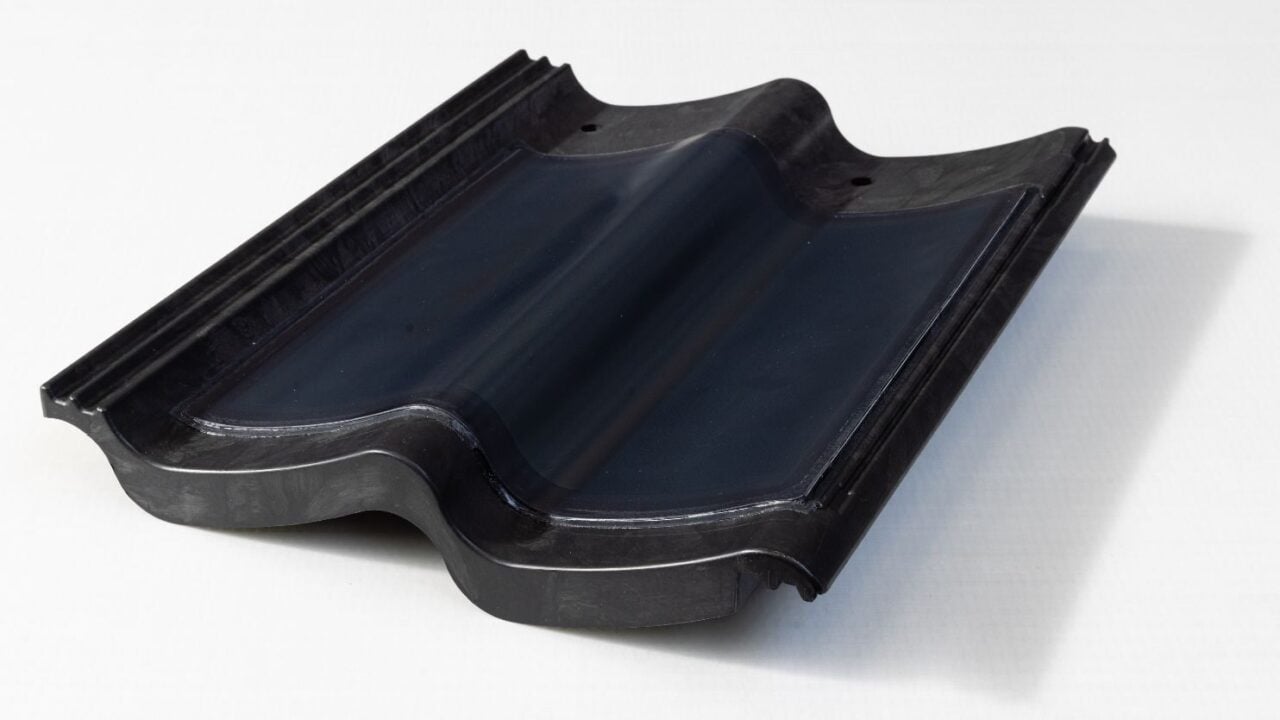
Dutch research institute TNO has developed what it said is the world’s first solar roof tile based on perovskite technology.
Why it matters: Watch for a new premium product category that could unlock design-conscious homeowners resistant to traditional panels.
This isn't just another lab experiment—it's a direct challenge to the aesthetics-first segment of the European residential solar market. For installers, the holy grail has been a product that matches traditional roofing materials while delivering competitive efficiency. TNO's perovskite tile prototype, if commercialized, could finally unlock the vast, design-conscious homeowner market that has resisted bulky, blue-black panels.
Market Context: Beyond Efficiency
The European solar market is bifurcating. On one side, utility-scale and commercial projects chase the lowest €/W. On the other, the premium residential retrofit segment is driven by aesthetics and integration. Products like Tesla's Solar Roof have shown there's demand, but have struggled with cost and installation complexity. A perovskite-based tile could offer a better path: potentially lower manufacturing costs than silicon-based tiles and simpler integration than some current BIPV solutions.
What to Watch For
European installers should monitor two things closely:
- Durability & Certification: Perovskite's historical weakness is longevity under real-world weather. Watch for IEC certification timelines. No installer wants callbacks on a failing roof.
- Supply Chain Partners: Which European manufacturers will license this? The move from TNO's lab to a production line by a company like Meyer Burger or a roofing specialist is the critical next step.
This development pressures traditional panel suppliers to accelerate their own aesthetic solutions. For now, it's a promising signal, not a product to quote. But it confirms the direction of travel: the future of high-end residential solar in Europe is integrated, not mounted.