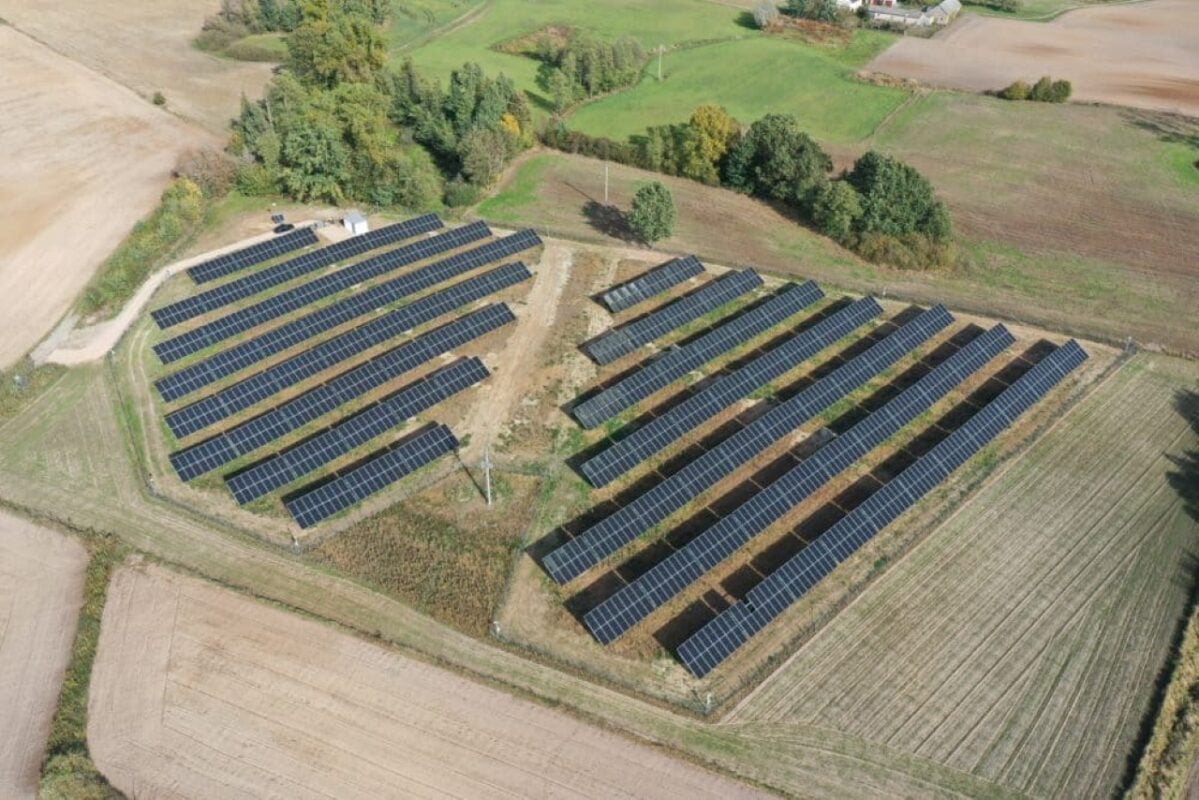
Qair has secured PLN350 million (US$94 million) in funding to build renewable energy projects with a combined capacity of 203 MW in Poland.
Why it matters: Highlights Poland as a major new growth market for solar installers looking to expand beyond saturated Western Europe.
This isn't just another project announcement—it's a clear signal that institutional capital is flowing into Central and Eastern European (CEE) solar markets at scale. For installers across Europe, especially those feeling margin pressure in saturated Western markets, Poland and its neighbors represent the next major growth frontier.
Why Poland is Heating Up
The CEE region has been a solar laggard compared to Germany, Spain, or the Netherlands, but that's changing fast. Poland, in particular, is driven by a need to replace aging coal plants, EU decarbonization mandates, and rising consumer electricity prices. This deal shows that banks and investors now see Polish renewable assets as bankable, which lowers the cost of capital and enables more projects. It's a green light for the entire regional supply chain.
Implications for Solar Businesses
For European installers, this means:
Watch for similar financing announcements in Romania, Czechia, and the Baltics. The CEE solar boom is just beginning.