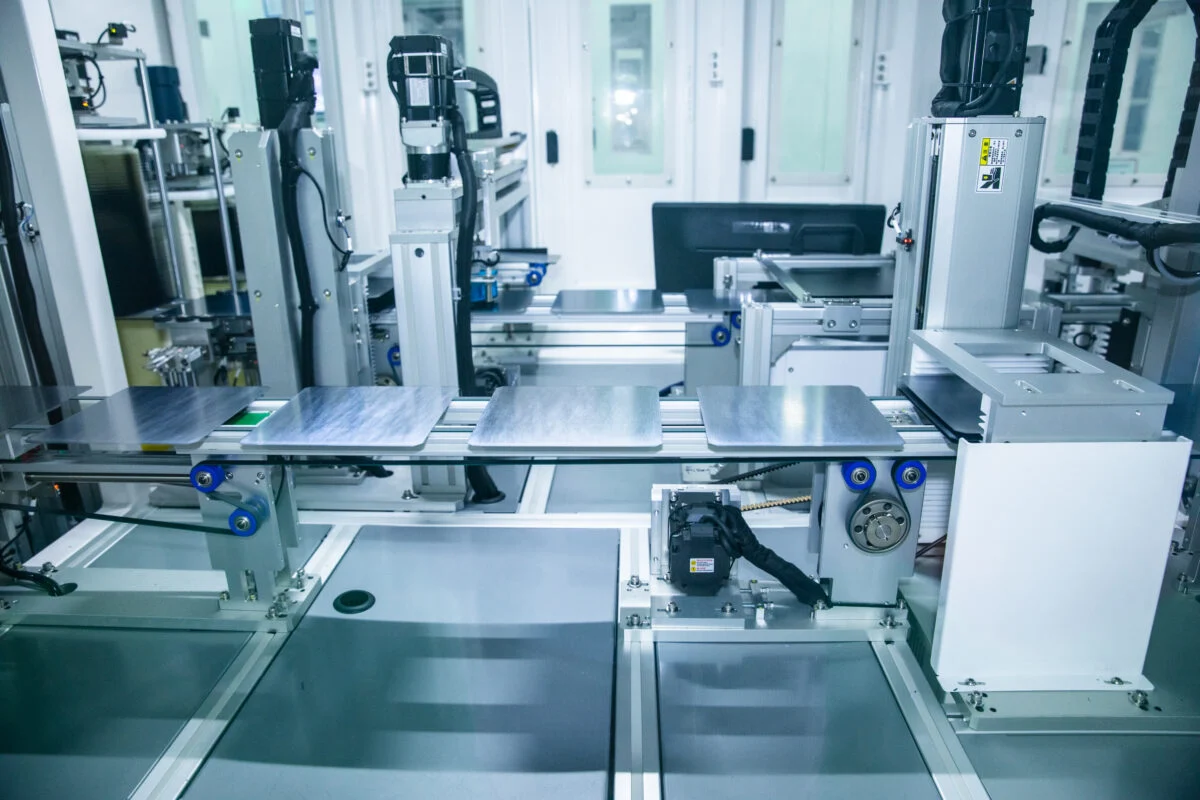
New industry analysis indicates a potential turnaround for photovoltaic manufacturing investment, with capital expenditure projected to recover this year after a prolonged period of contraction. This follows a challenging phase for the global supply chain, marked by significant module oversupply and compressed margins that dampened investment appetites.
Navigating the Aftermath of Oversupply
The solar sector has been navigating a complex landscape shaped by rapid manufacturing expansion, particularly in key regions like China. This led to a global surplus of modules, driving prices down sharply. While beneficial for installation costs in the short term, this oversupply created difficult conditions for manufacturers worldwide, squeezing profitability and leading to a notable pullback in spending on new production capacity and facility upgrades over the past two years. For European installers and developers, this period translated into highly competitive module pricing but also raised questions about long-term supply chain stability and technological innovation pace.
The Anticipated Investment Recovery
The projected rebound in capital expenditure signals a potential rebalancing of the market. As the initial wave of oversupply is gradually absorbed by growing global demand, manufacturers are expected to regain confidence to invest. This spending is likely to focus on several key areas:
- Next-Generation Technology: Upgrading lines for more efficient cell architectures, like TOPCon and heterojunction.
- Geographic Diversification: Supporting strategic investments in production capacity within Europe and other regions to build more resilient supply chains.
- Vertical Integration: Expanding control over the production chain, from polysilicon to finished modules, to improve cost management.
This shift is crucial for the European market's strategic goals of enhancing energy security and fostering a robust local manufacturing ecosystem under initiatives like the Net-Zero Industry Act.
Implications for the European Solar Industry
For solar professionals across Europe, this impending investment cycle carries significant implications. A healthier, investing manufacturing base suggests a move towards greater market stability and a renewed focus on product innovation rather than just cost reduction. Installers may begin to see a broader and more technologically advanced portfolio of modules available, though pricing dynamics will bear watching as the market adjusts. Furthermore, increased investment aligned with geographic diversification could gradually strengthen the continent's industrial capacity, aligning with broader political and sustainability objectives.
In conclusion, the anticipated rebound in PV manufacturing capex marks a pivotal transition from a phase dominated by oversupply to one potentially characterized by strategic growth and innovation. For the European solar industry, this evolution promises a more mature and diversified supply chain, underscoring the importance of staying informed on global manufacturing trends that directly influence local project economics and product availability.