GameChange Solar has completed testing of its Genius Tracker system, which yielded results of no 'meaningful power loss' in most tests.
Why it matters: Enhances project bankability in seismic zones by mitigating a key insurer and financier concern.
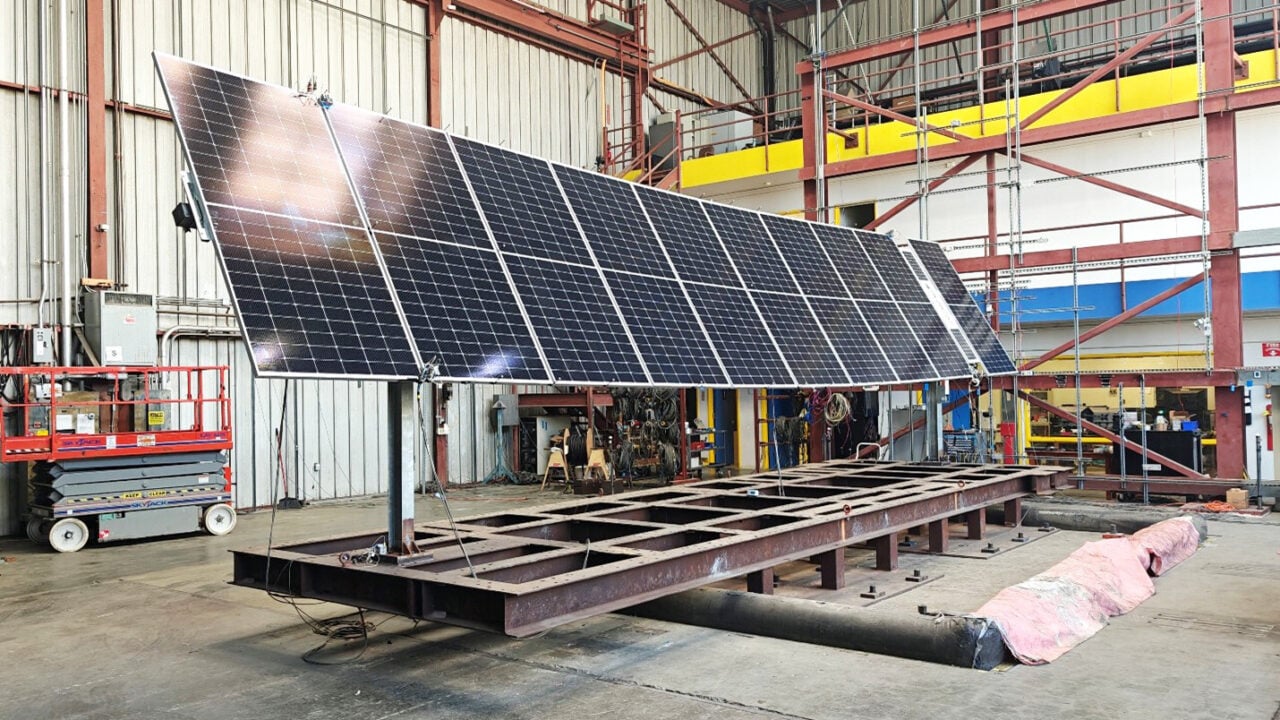
GameChange Solar has completed testing of its Genius Tracker system, which yielded results of no 'meaningful power loss' in most tests.
This news matters because seismic resilience is becoming a critical, yet often overlooked, factor in European solar project bankability. While major earthquakes are less frequent in much of Europe than in other global markets, seismic activity in Southern Europe (Italy, Greece, Turkey) and induced seismicity in geothermal-rich regions present real risks. A tracker that can withstand ground movement without significant power loss directly addresses a key concern for project financiers and insurers.
Market Context: The Bankability Factor
In today's competitive European market, installers and developers are chasing every basis point of performance and reliability. Equipment that mitigates 'Acts of God' risks moves from a nice-to-have to a tangible value proposition. For large-scale projects in Italy's Apennines or Greece's Peloponnese, demonstrating this level of resilience can be the difference in securing debt financing or achieving a lower insurance premium. It shifts the conversation from pure capex to total cost of ownership and risk mitigation.
What to Watch For
Solar businesses should not view this as just a product feature for niche zones. Watch for two things:
- Insurance & Warranty Implications: Will manufacturers offering proven seismic resilience back it with extended warranties or performance guarantees? This could become a major differentiator.
- Supply Chain Localization: As Southern European countries push for more local solar manufacturing, will tracker suppliers highlight seismic testing as a key adaptation for regional products? This could influence procurement decisions for projects funded by national recovery plans.
Ultimately, this testing raises the bar for what constitutes a 'robust' tracker system in Europe, pushing durability beyond just wind and snow loads.