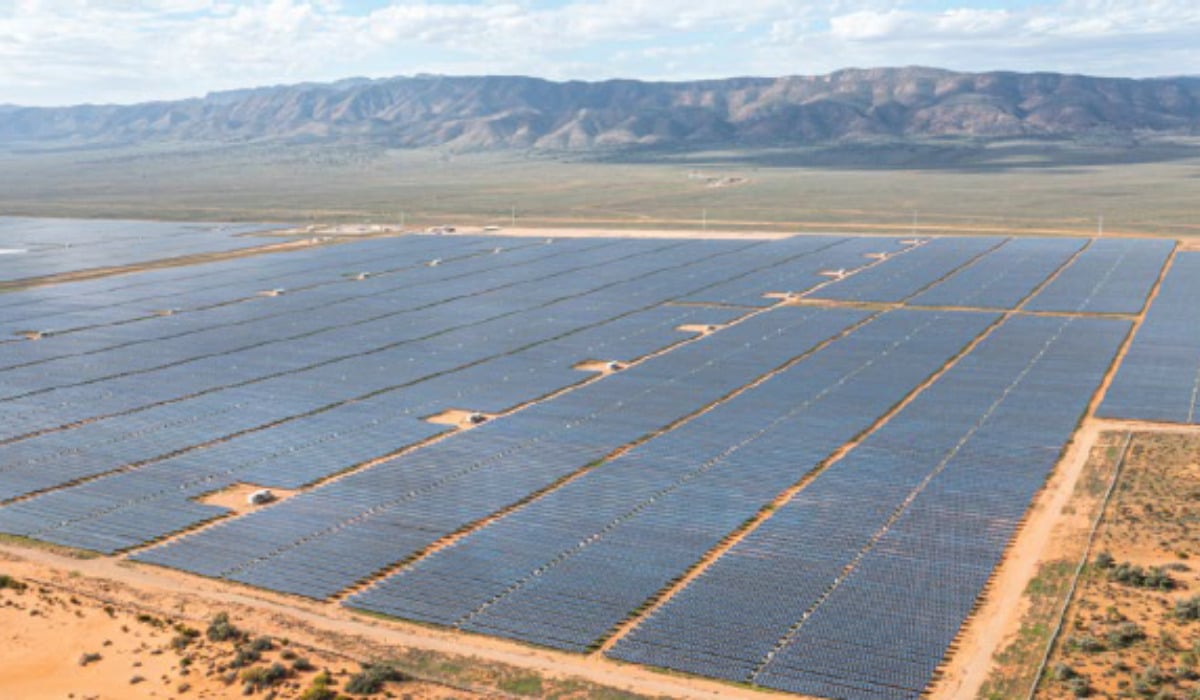
South Australia has initiated a landmark process by inviting applications for feasibility licences targeting large-scale renewable energy projects. This initiative covers over 11,000 square kilometres of land identified as possessing some of the state's most potent combined wind and solar resources.
A New Legislative Framework for Project Development
This tender process is the first to be conducted under pioneering new legislation designed to streamline the development of major renewable energy and hydrogen projects. The system establishes a clear pathway from initial feasibility studies through to production, aiming to provide greater certainty for investors and developers. By creating a regulated process for land access and project approval, the government intends to accelerate the deployment of generation and storage infrastructure essential for the state's energy transition.
Strategic Implications and Market Context
For the European solar sector, observing such regulatory innovations is highly instructive. While the scale of available land in Australia is unique, the core challenge of efficiently permitting and connecting large-scale renewable projects is a universal one. European markets, from Iberia to the Nordic regions, are also grappling with how to balance rapid renewable expansion with community engagement, grid stability, and environmental considerations. South Australia's structured, legislative approach offers a case study in attempting to de-risk the early stages of project development, which can be a major bottleneck.
The focus on areas with high "coincident" resources—where strong solar and wind generation patterns complement each other—is particularly relevant. This mirrors a key strategy in Europe: developing hybrid parks that combine solar PV with wind power to create a more stable and consistent energy output, thereby maximising grid connection utilisation.
Concluding Insight for European Businesses
The move underscores a global trend towards more formalised and state-guided processes for utility-scale renewable development. For European installers and developers, it highlights the increasing importance of:
- Engaging with evolving policy: Proactively understanding new legislative frameworks that shape project pipelines.
- Valuing hybridisation: The intrinsic value of sites that support complementary generation technologies is rising.
- Planning for integration: Large-scale tenders are increasingly focused not just on generation, but on how projects contribute to overall system reliability.