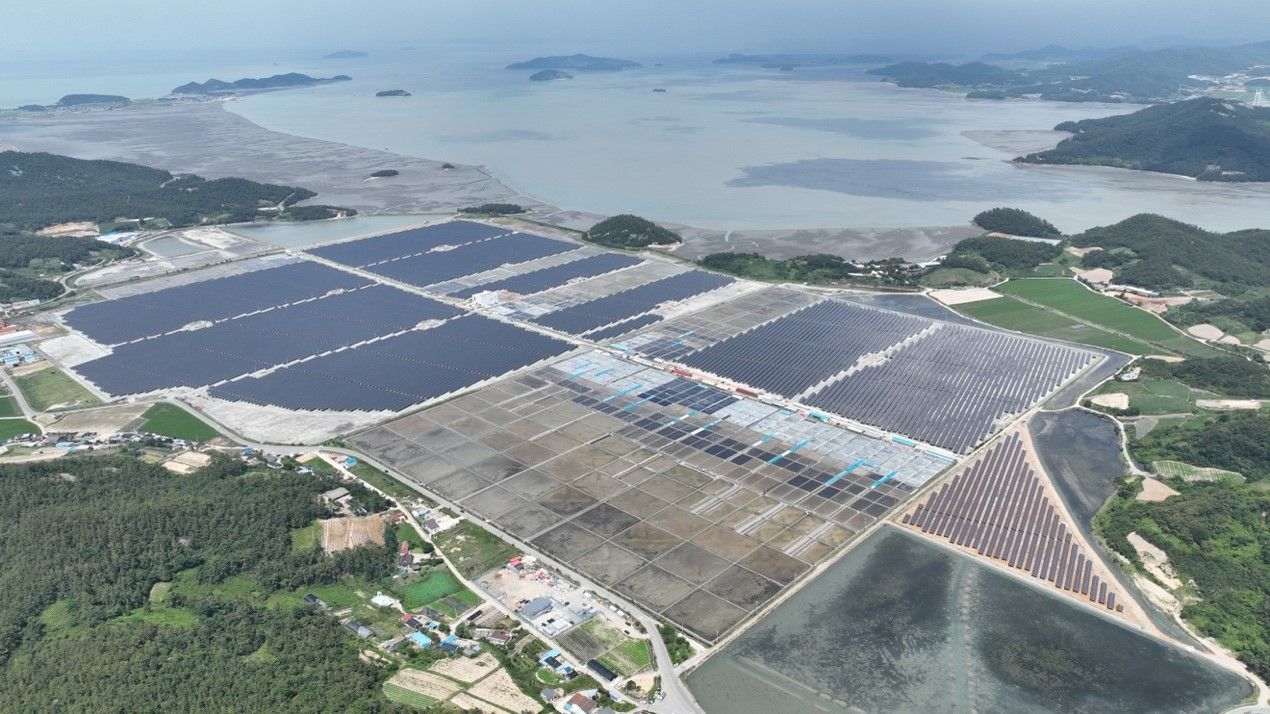
South Korea has announced plans to almost triple its operational renewable energy capacity from 37GW today to 100GW by the end of the decade.
Why it matters: Prepare for potential supply tightness and price volatility for high-efficiency solar components as major manufacturing nations prioritize their own energy transitions.
For European solar installers, this isn't just news from Asia—it's a direct signal about the future of module and component supply. South Korea is a major producer of polysilicon, inverters, and advanced PV materials. A massive domestic build-out will inevitably prioritize local manufacturing and could tighten global supply of high-efficiency products, especially TOPCon and heterojunction cells where Korean firms lead.
Market Context: Beyond European Borders
The EU's own 45% renewable target by 2030 creates parallel demand, setting up potential competition for premium components. While European installers typically source from China, Korean tech often fills the high-efficiency niche for commercial and utility projects. If Korean manufacturers like Hanwha Q CELLS or LG (though exiting) redirect output homeward, European EPCs might face longer lead times or price premiums for top-tier modules.
What to Watch
This announcement reinforces that the global energy transition is accelerating in lockstep, creating both supply pressures and opportunities for those with flexible procurement strategies.