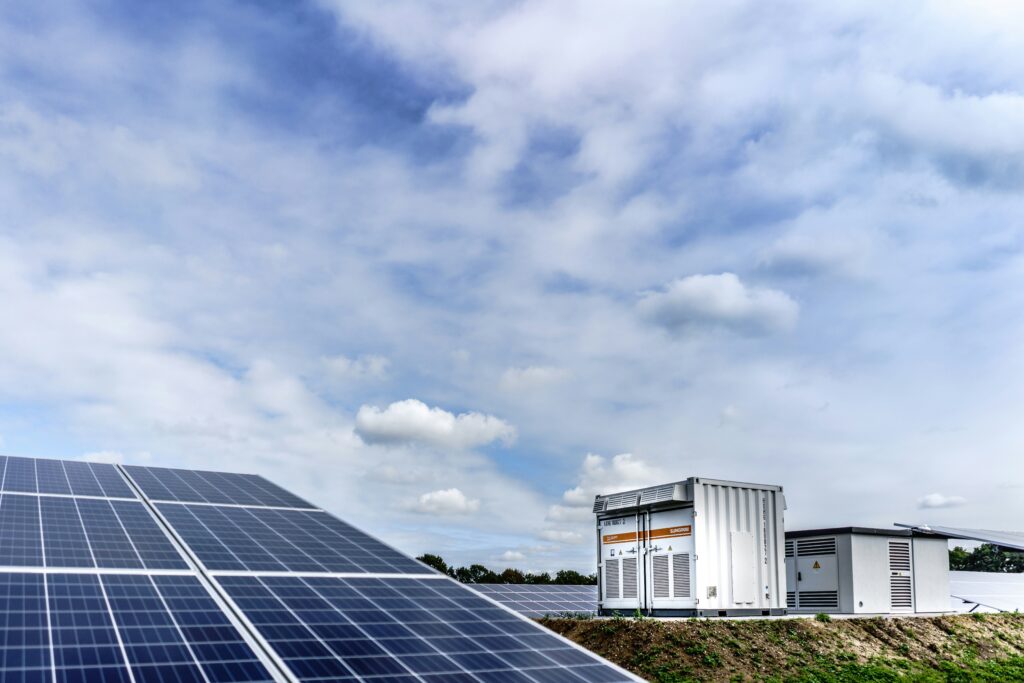
Estos datos implicarían un incremento aproximado del 72% en la potencia conjunta de proyectos BESS anunciados en el BOE con respecto al mismo periodo de 2025, cuando se publicaron 16 proyectos de almacenamiento con una potencia total de 693 MW.
Why it matters: Prepare for storage to become a standard line item in every commercial solar proposal within 18 months.
This isn't just a statistic—it's a flashing signal for every solar installer in Spain and across Southern Europe. The 72% year-on-year surge in registered BESS capacity tells us the market is moving from pilot projects to serious grid-scale deployment. For installers, this means the conversation with clients is shifting from 'if' to 'when and how much' storage to add.
The Grid Integration Imperative
Spain's grid is becoming saturated with solar during peak hours, creating the infamous 'duck curve' that collapses wholesale prices. These BESS projects are the direct response—they're not standalone investments but essential infrastructure to monetize Spain's massive solar fleet. Installers who understand this dynamic can position storage as a revenue-protection tool, not just a backup power solution.
Watch the Business Model Evolution
The scale of these projects (averaging 66MW each) suggests they're targeting grid services and wholesale arbitrage, not just behind-the-meter applications. This creates a trickle-down effect: commercial and industrial clients will follow with their own smaller-scale systems once they see the economic case proven at utility scale. The real opportunity for installers is in the 100kW-5MW segment that bridges residential and utility-scale.
What should solar businesses monitor? First, grid connection queues in your region—these BESS projects will compete for the same infrastructure. Second, ancillary service markets as Spain continues to liberalize its grid balancing mechanisms. Third, hardware availability—this surge will strain supply chains for quality battery systems.