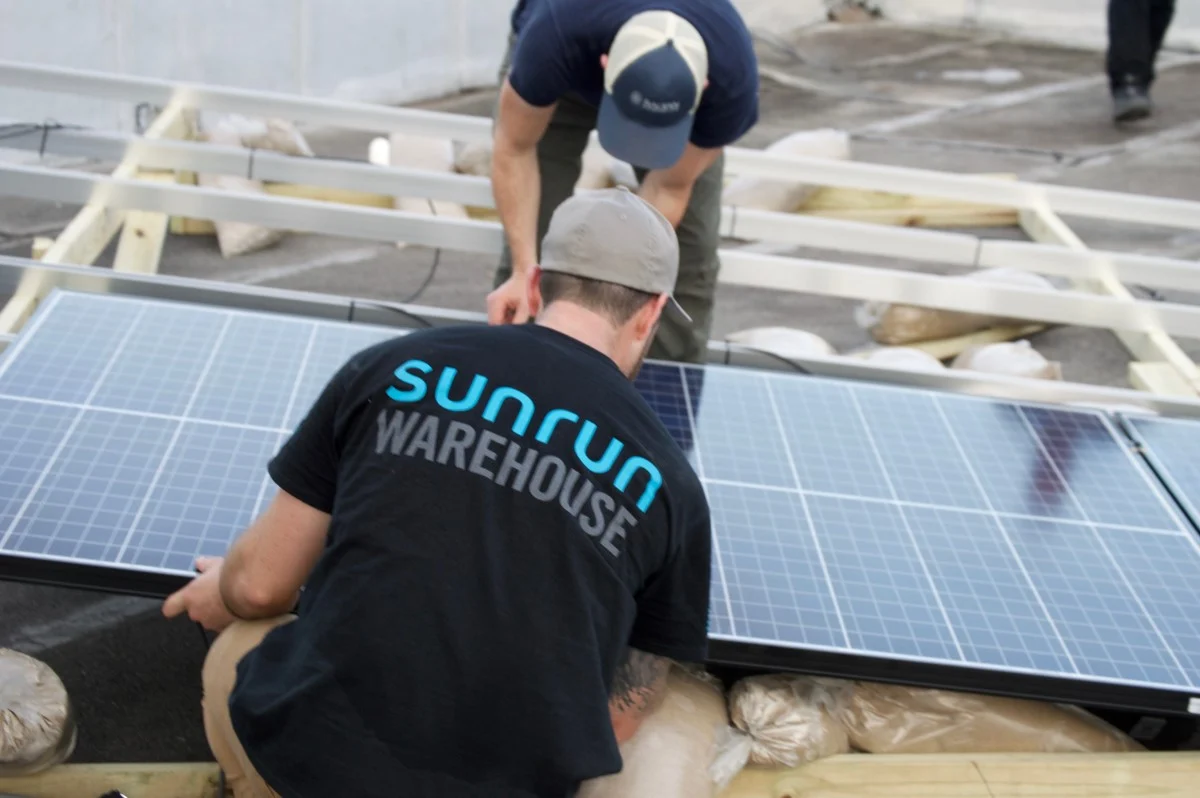
The Texas Attorney General has launched an investigation into four residential solar installers over alleged 'fraudulent and deceptive practices'.
Why it matters: Audit your sales and contracting practices now, before a European regulator does it for you.
While this is a US story, it's a flashing red light for European installers. Regulatory scrutiny of sales and installation practices is intensifying everywhere. The European Commission's ongoing work on consumer protection in green energy and the implementation of the Energy Performance of Buildings Directive (EPBD) means national watchdogs are increasingly focused on our sector.
Market Context: The End of the 'Wild West'
The European solar market is maturing rapidly. The phase of explosive, subsidy-driven growth is giving way to a more stable, consumer-driven market. In this environment, consumer trust is the single most valuable asset. A single high-profile investigation in a major EU market—like Germany's BSW recently tightening its code of conduct—can trigger a domino effect of national regulations, increasing compliance costs and administrative burdens for all installers.
What to Watch For
European solar businesses should proactively audit their own practices, particularly around:
- Sales & Marketing Claims: Are savings estimates, payback periods, and performance guarantees presented transparently and based on conservative, standardized calculations?
- Contract Clarity: Are all costs, potential grid connection delays, and post-installation responsibilities explicitly detailed?
- Subsidy Guidance: Is advice on national grant schemes or VAT exemptions accurate and not presented as a guaranteed outcome?
Investing in certified training for sales teams and adopting clear, fair contracts isn't just good ethics—it's a critical risk mitigation strategy as the regulatory spotlight brightens.