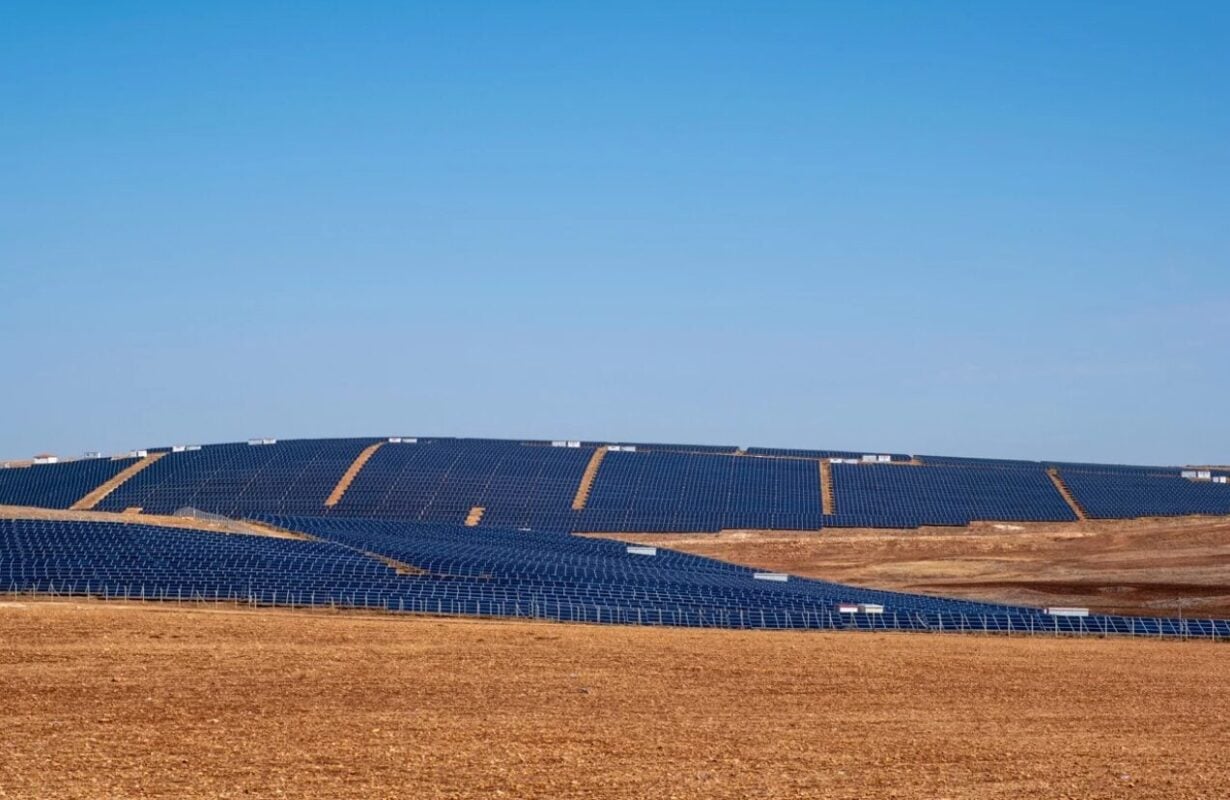
According to a recent analysis by energy think tank Ember, Turkey faces a substantial acceleration in renewable energy deployment to achieve its stated 2035 ambitions. The country will need to install new solar and wind capacity at a rate approximately three times faster than its current pace to meet its target of 120 gigawatts (GW) from these sources within the next decade.
A Significant Uptick in Annual Installations Required
The report outlines a clear pathway, indicating that Turkey must add roughly 8 GW of new solar and wind capacity each year. This annual target starkly contrasts with the nation's recent installation rates, which have averaged closer to 2-3 GW per year. To put this into a European context, such an acceleration would place Turkey among the continent's most active renewable energy markets, requiring a sustained and large-scale mobilization of investment, manufacturing, and grid infrastructure.
Implications for the Broader European Energy Landscape
Turkey's ambitious drive holds significance beyond its borders. As a major economy at the crossroads of Europe and Asia, its successful transition would contribute to regional energy security and decarbonization efforts. For European solar businesses and installers, this represents a potential growth market, though one with its own unique regulatory and economic landscape. The scale of the challenge underscores a common theme across many markets: long-term government targets now require unprecedented short-term action and policy support to become reality.
The task ahead involves not just the installation of panels and turbines, but also modernizing grid systems to handle the variable nature of renewable power and ensuring a stable investment climate. Turkey's progress will be closely watched as a case study in rapid clean energy scaling, offering lessons for other nations with similarly ambitious goals. The coming years will be critical in determining whether the current targets can transition from ambitious plans to tangible, operational capacity.