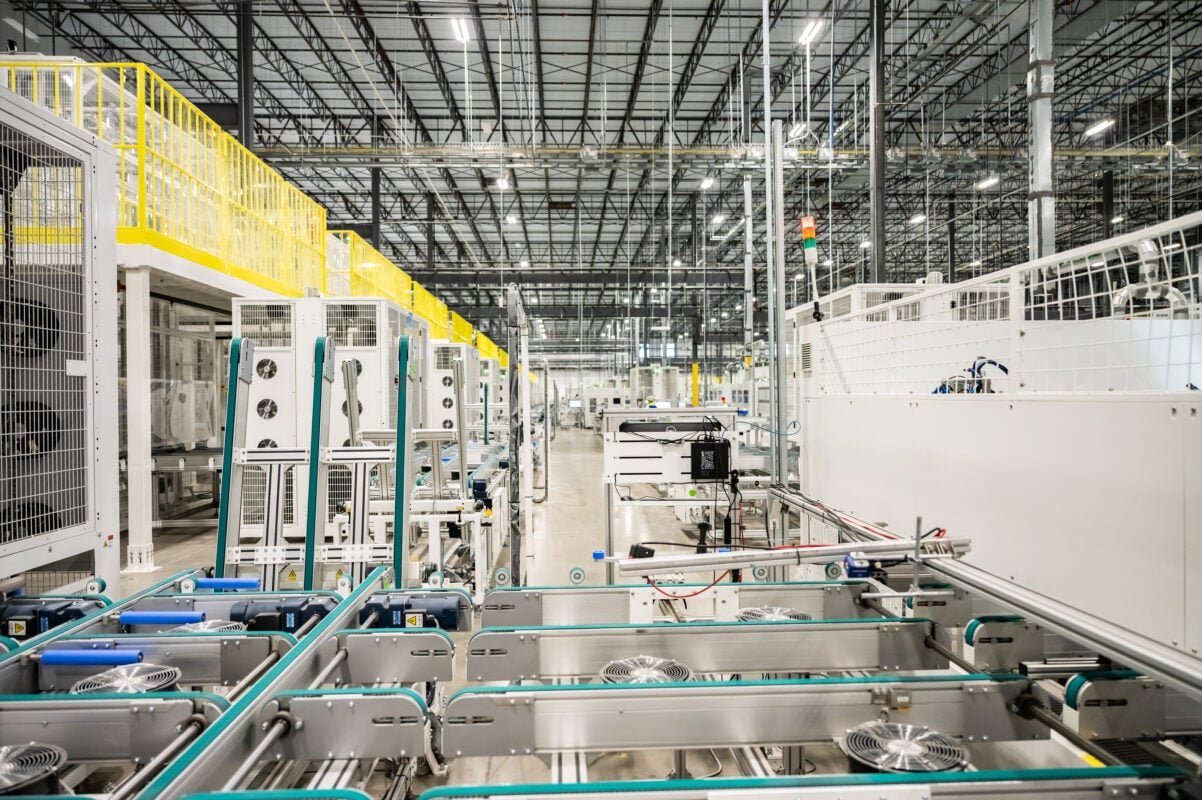
US solar manufacturer T1 Energy has produced 2.79GW of solar modules in 2025, in line with its guidance of 2.6-3GW for the year.
Why it matters: Diversifies your module supply options and provides a non-Chinese alternative for compliance-sensitive projects.
This production report from T1 Energy is a critical data point for European installers navigating a volatile global supply chain. While T1 is a US-based manufacturer, its capacity growth signals broader industry trends that directly impact availability and pricing in the European market.
Why This Matters for European Solar Installers
European installers are caught between the EU's strategic push for domestic manufacturing and the reality of globalized supply. T1's successful ramp-up to nearly 3GW demonstrates that non-Chinese, Western manufacturers can scale production effectively. This provides a tangible, growing alternative to Chinese modules, which is crucial for projects requiring non-Chinese content to qualify for certain EU or national incentives, like those tied to resilience or sustainability criteria.
Market Context and Implications
The forecast of up to 4.2GW in 2026 represents a potential 50% year-on-year increase. This aggressive expansion comes as European demand remains strong but faces headwinds from subsidy adjustments in key markets like Germany and Italy. For installers, this means the global module supply is diversifying and potentially becoming more competitive on price outside the dominant Chinese supply. However, it's vital to note that T1's volumes are still a fraction of major Chinese producers. This won't cause a price crash, but it adds pressure on mid-tier manufacturers and could improve bargaining power for larger European EPCs procuring for utility-scale projects.
What Solar Businesses Should Watch For
For now, T1's growth is a positive sign of supply diversification. Smart installers should view it as one more option in their procurement strategy, especially for clients sensitive to geopolitical supply chain risks or those pursuing specific green certification standards.