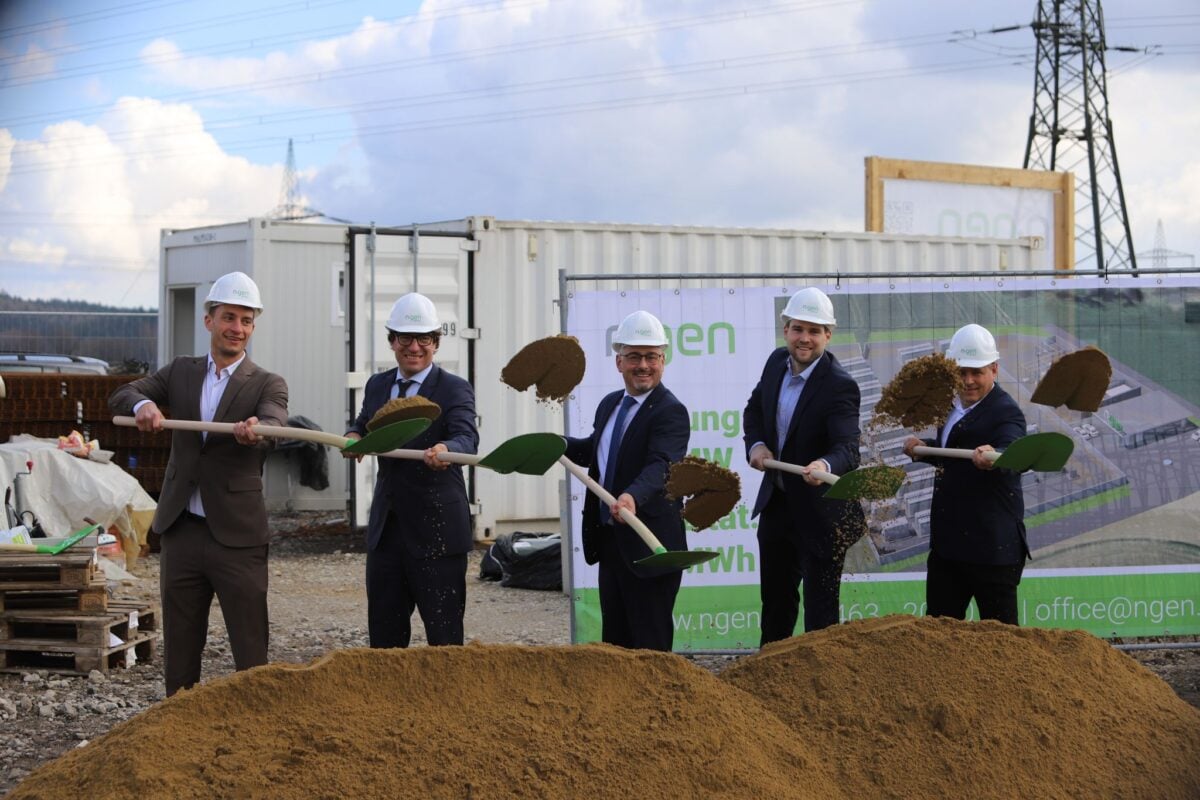
NGEN has started building an 85M/170MWh BESS in Austria, while Foresight Group and the EBRD have invested in development platforms in Germany and Lithuania.
Why it matters: Prioritize storage integration in your sales strategy to future-proof your business against grid instability and capture higher-margin project revenue.
The Shift Toward Integrated Storage
The rapid deployment of utility-scale battery energy storage systems (BESS) by players like NGEN and Foresight Group is a clear signal that the European solar market is moving past the 'generation-only' phase. As grid congestion becomes the primary bottleneck for solar growth, storage is no longer optional—it is the prerequisite for viability.
Why This Matters for Installers
For European residential and C&I solar installers, this trend validates a crucial shift in customer conversations. Homeowners and businesses are increasingly aware of price volatility and negative pricing events. If you aren't bundling storage with your PV sales, you are leaving significant margin on the table and ignoring the primary hedge against grid instability. The entry of major institutional capital like the EBRD into storage development proves that the 'big money' now sees BESS as an essential infrastructure asset, not just an accessory.
Market Implications
What Businesses Should Watch
Keep a close eye on the regulatory framework for virtual power plants (VPPs) in your specific region. As these large-scale BESS projects stabilize the grid, the technical requirements for small-scale, distributed storage to participate in balancing markets will become more standardized. The installers who master the technical integration of storage and grid-interactive software will capture the next wave of market growth, moving from 'hardware sellers' to 'energy system integrators.'