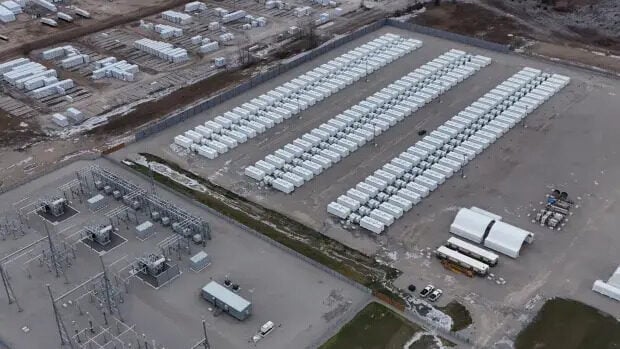
Quebec-based IPP Boralex and Six Nations of the Grand River Development Corporation (SNGRDC) have announced the closing of a CA$202 million (US$145.12 million) financing for a 125MW/500MWh battery energy storage system (BESS) in Oxford County, Ontario, CA.
Why it matters: Capitalize on the growing institutional appetite for battery storage by integrating BESS into your standard C&I solar project financing models.
The Shift Toward Bankable Storage
The successful financing of this 500MWh BESS project signals a maturing North American energy market, but the lessons are directly applicable to European solar installers. We are moving past the 'pilot project' phase into a reality where energy storage is treated as a core asset class rather than an experimental add-on.
Why This Matters for European Installers
European installers often struggle with the 'valuation gap' when pitching storage to commercial and industrial (C&I) clients. As institutional capital (banks and private equity) becomes more comfortable financing large-scale storage, the technical standards and performance guarantees associated with these batteries will trickle down to the mid-market. If you aren't already positioning BESS as a standard component of your solar proposals, you are leaving recurring revenue on the table.
Strategic Market Implications
What to Watch For
Keep a close eye on the cost-of-capital curve for BESS hardware. As financing becomes more accessible, the barrier to entry will shift from 'technical knowledge' to 'financial structuring.' Solar businesses that can package hardware, software-driven energy management, and financing options into a single 'Energy-as-a-Service' (EaaS) offering will dominate the next market cycle. Do not wait for the grid to demand storage; start selling the financial resilience that batteries provide to your clients today.