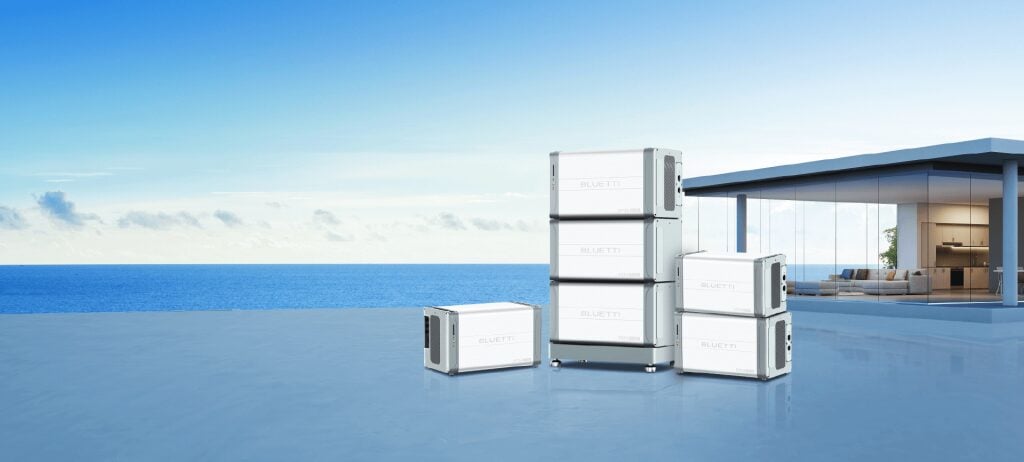
Shenzhen PowerOak New Energy Co., Ltd. (PowerOak), the fourth key player in the global portable energy storage sector, has submitted its IPO application to the Hong Kong Stock Exchange.
Why it matters: Prepare for increased competition in the entry-level battery storage market as portable power giants transition into professional residential solutions.
The Consolidation of the Portable Storage Market
The move by PowerOak (Bluetti) to list on the HKEX signals a maturing portable energy storage sector. For European solar installers, this is more than just financial news; it represents the industrialization of the 'plug-and-play' battery segment.
Why This Matters for Installers
Historically, residential solar installers viewed portable power stations as low-margin retail toys. However, as Bluetti and its competitors scale via public funding, their product ecosystems are encroaching on traditional home energy storage territory. We are seeing a blurring line between high-capacity portable units and entry-level home battery systems. Installers who ignore this shift risk losing the 'micro-storage' market—the entry point for many homeowners who aren't yet ready for a full-scale residential solar-plus-storage installation.
Strategic Implications
What Businesses Should Watch For
Keep a close eye on their European distribution strategy. If PowerOak begins offering professional-grade warranty support and installer-exclusive pricing, they could become a viable, low-cost alternative for small-scale residential setups. Business owners should assess whether integrating these 'semi-portable' solutions into their portfolio could help capture price-sensitive customers who are currently priced out of the Tier-1 lithium-ion market.