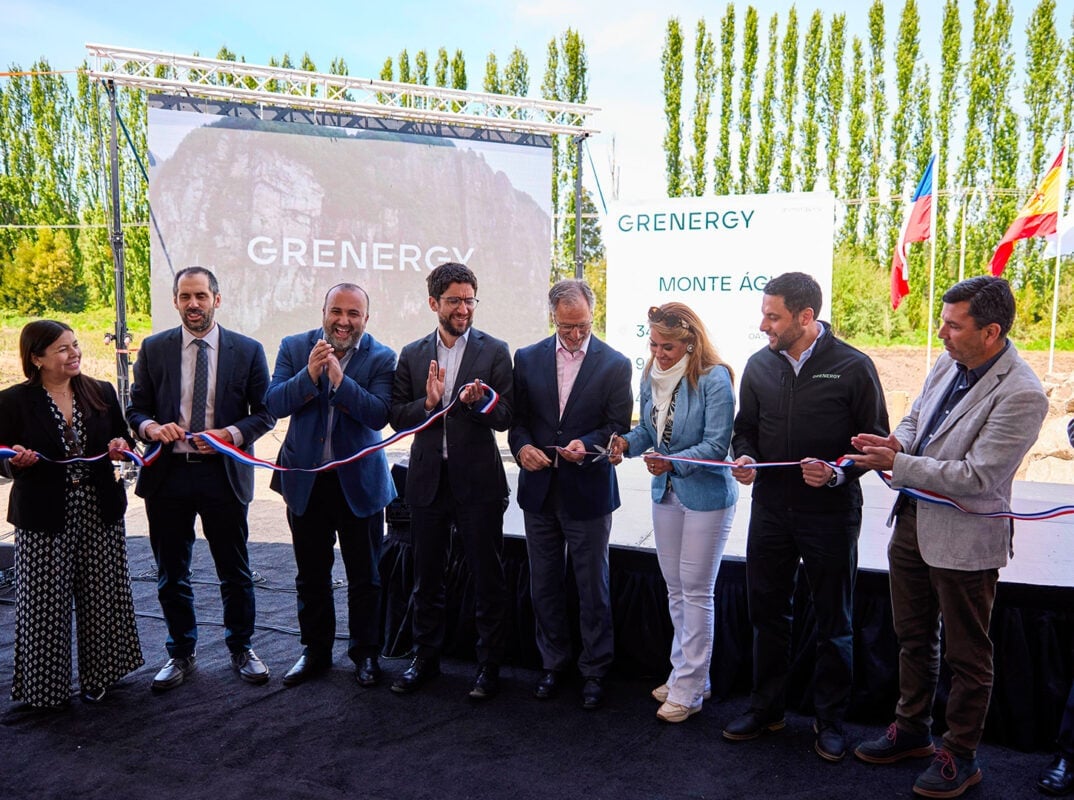
Chile continues to be Latin America’s hotspot for energy storage deployments, with a major new deal for Grenergy and Engie bringing a project online in the past week.
Why it matters: Leverage the global shift toward BESS-integrated solar to transition your business from hardware installation to smart energy management.
Why This Matters for European Installers
While Chile’s massive 2.6GWh BESS deal feels geographically distant, it serves as a high-speed preview of the storage-led future awaiting the European market. As grid congestion and negative pricing become the norm across the EU, the transition from 'solar-only' to 'solar-plus-storage' is no longer optional—it is the primary driver of profitability. European installers should view these utility-scale deployments as a bellwether for technology costs and hardware availability.
Market Context and Implications
The reliance on Tier-1 manufacturers like BYD in these large-scale projects confirms that storage is now a commodity-driven market dominated by manufacturers with deep vertical integration. For the European residential and C&I installer, this means two things: hardware prices will continue to stabilize downward, but supply chain loyalty to major OEMs will become critical to ensure firmware compatibility and long-term serviceability. We are seeing a shift where project viability is increasingly dependent on the software-defined energy management systems that sit atop these cells, rather than just the hardware capacity itself.
Strategic Outlook for Solar Businesses
The era of the 'dumb' battery is over. Installers who master the software interface between the BESS and the wholesale market will capture the next wave of margin.