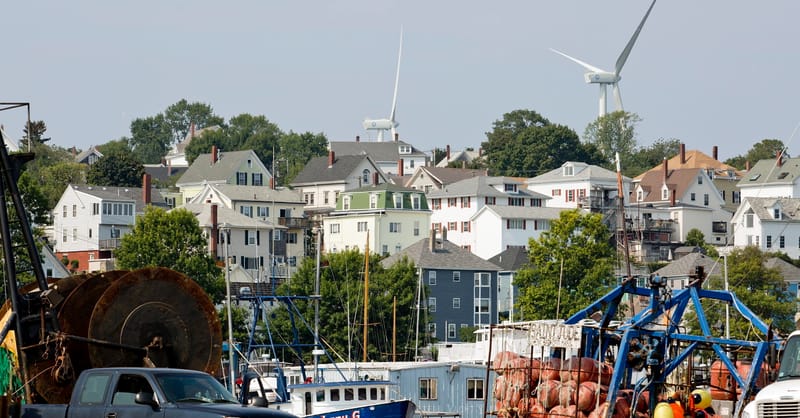
The wind turbines arrived in Gloucester at the same time I did. My husband and I moved into a cheap third-floor apartment in the small coastal city in northern Massachusetts in November 2012, just as cranes were assembling the imposing white towers right next to the highway that ushered us into town.
Why it matters: Pivot your business model to include repowering and decommissioning services to capture the next wave of lifecycle-focused revenue.
The Hidden Cost of Asset Lifecycle Management
While this article focuses on aging wind assets in Massachusetts, it highlights a critical reality for European solar installers: the honeymoon phase of the energy transition is ending. As early-generation solar arrays reach the end of their operational life, the industry must shift its focus from pure installation to sophisticated repowering and decommissioning strategies.
Why This Matters for European Installers
Many installers are currently riding the wave of new capacity deployment. However, the next decade will be defined by asset circularity. Installers who build expertise in decommissioning, recycling, and repowering will capture a lucrative secondary market. If you aren't already building partnerships with waste management firms and component manufacturers, you are missing the next major revenue stream.
Market Implications
What you should watch for: Keep a close eye on the secondary market for refurbished components and the evolution of EU-wide standards for PV panel recycling. The installers who treat 'end-of-life' as a service delivery opportunity, rather than a logistical headache, will dominate the next cycle of the European solar market.