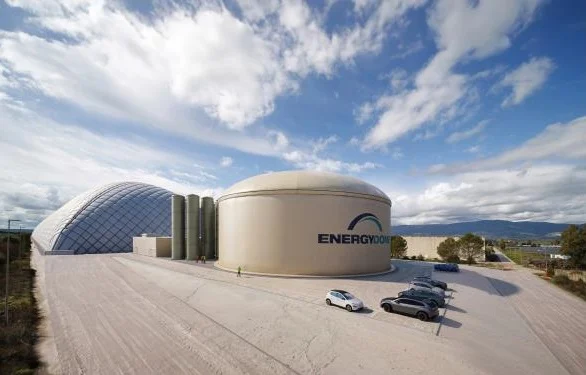
Energy Dome and digital infrastructure company New Era Energy & Digital (NUAI) have signed a memorandum of understanding (MOU) to deploy Energy Dome’s CO2 Battery Plus technology in Odessa, Texas.
Why it matters: Prepare for a shift in storage technology that moves beyond lithium to solve long-duration grid stability challenges.
The Shift Toward Long-Duration Storage
The movement of Energy Dome’s CO2-based storage into the US market is a critical signal for European installers. While our market remains hyper-focused on lithium-ion and residential/C&I hybrid inverters, the grid-scale limitations of short-duration storage are becoming an acute bottleneck. As Europe pushes for higher solar penetration, 4-hour battery systems will eventually struggle to provide the seasonal or multi-day stability required to balance the grid.
Why This Matters for European Installers
Strategic Implications for Businesses
Solar businesses should stop viewing storage as a 'bolt-on' accessory. The future of the European solar market lies in the transition from 'solar-only' to 'energy-management' providers. Keep a close eye on the performance data coming out of these US pilot projects. If CO2-based storage proves its round-trip efficiency in Texas, expect it to be the next major disruptor for European utility-scale and microgrid tenders by 2026. Installers who begin building relationships with LDES technology partners now will have a significant competitive advantage when the regulatory framework catches up to the technology.