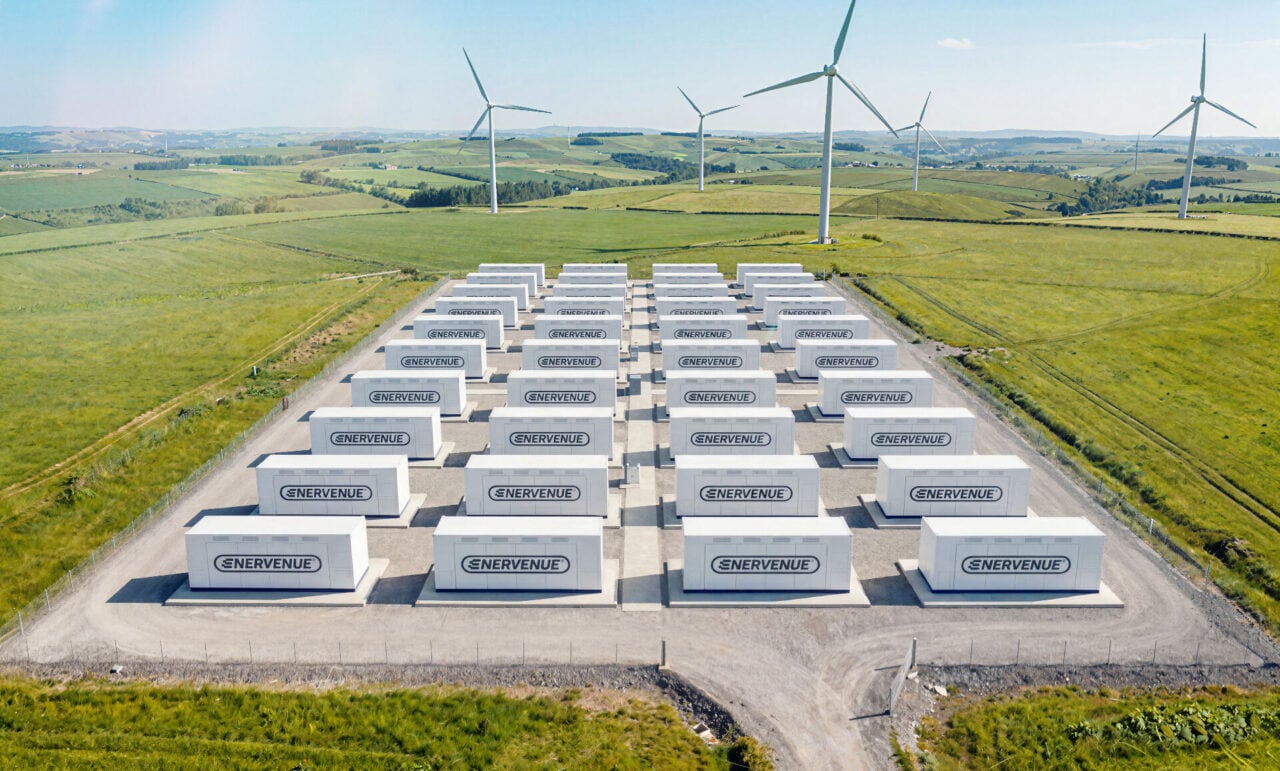
EnerVenue, the US company commercialising technology adapted from nickel-hydrogen batteries, has closed a US$300 million extension of its Series B preferred stock financing round.
Why it matters: Prepare your commercial clients for a shift toward long-duration battery alternatives that promise higher cycle life than standard lithium-ion systems.
The Long-Duration Storage Pivot
For European installers, the reliance on lithium-ion (LFP) for residential and commercial storage is becoming a strategic bottleneck. While LFP is efficient for daily cycling, the industry is hitting a ceiling regarding degradation and safety in extreme-cycle industrial applications. EnerVenue’s $300 million injection suggests that nickel-hydrogen technology is finally moving from the aerospace lab to the utility-scale grid.
Why this matters for your business:
Market Context & Outlook:
The EU market is currently hyper-focused on LFP price wars. However, capacity constraints and raw material dependencies are making the 'lithium-only' strategy risky. EnerVenue represents a shift toward 'set-it-and-forget-it' hardware that doesn't suffer from the same thermal runaway risks or capacity fade as current market-leading batteries. Keep a close eye on their European certification timelines; if they land a manufacturing footprint in the EU, they could disrupt the current dominance of Chinese-made BESS units in the commercial and industrial (C&I) sector. For now, track their pilot projects as a leading indicator of whether this chemistry can achieve the price parity required for mass adoption.