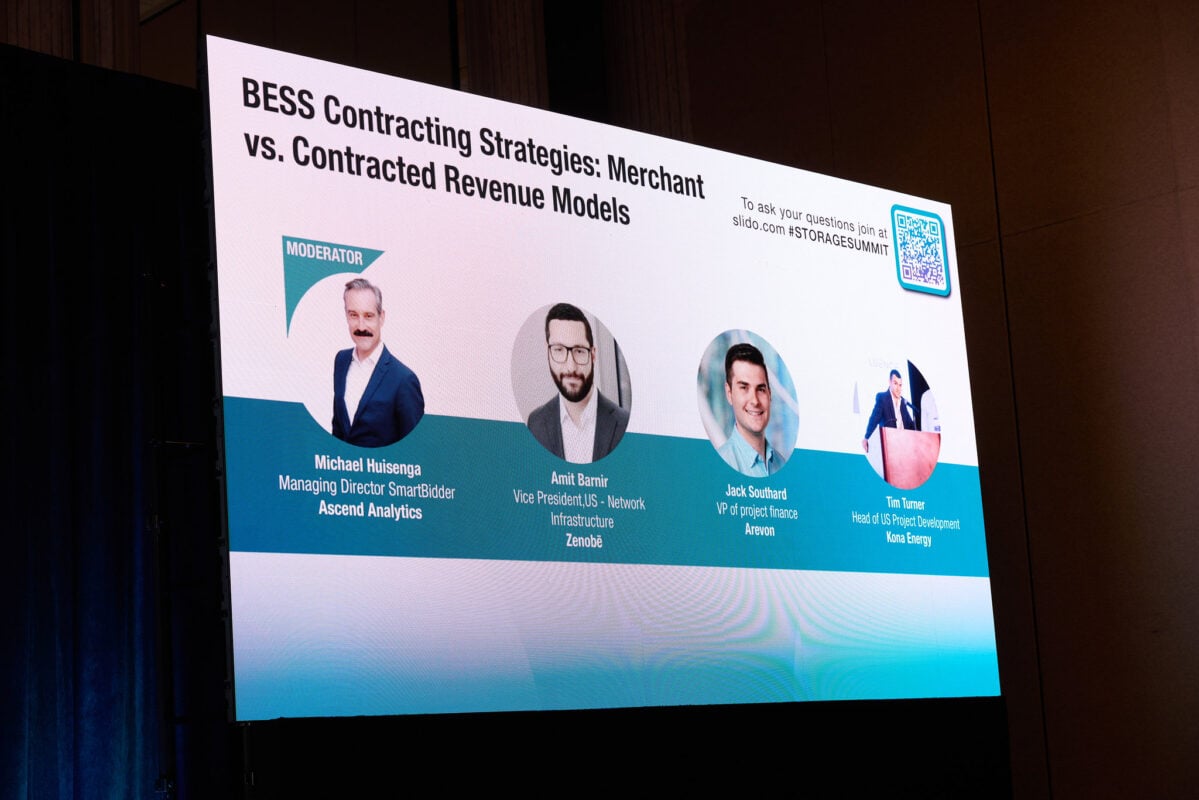
A panel at the 2026 US Energy Storage Summit in Dallas, Texas, discussed the “creative, innovative structures” developers are having to embrace to secure long-term revenues for energy storage projects.
Why it matters: Diversify project revenue models now or risk being undercut by more financially sophisticated competitors.
This US trend is a direct warning for European solar and storage installers. The era of relying solely on volatile merchant revenues—selling power into spot markets—is ending. In Europe, this is accelerated by falling ancillary service prices and market saturation in early adopter markets like Germany and the UK.
Market Context: The European Pivot
European developers are already facing this reality. We're seeing a rapid shift toward hybrid revenue stacks. A project might combine a Capacity Market contract, a corporate PPA for solar, and merchant trading for the storage component. The innovation isn't just in technology, but in financial engineering and contract structuring.
What Installers Must Watch
Solar businesses that merely 'add a battery' to a PV system are leaving money on the table. The winners will be those who design projects with multiple, stacked revenue streams from day one and who can navigate complex offtake agreements.