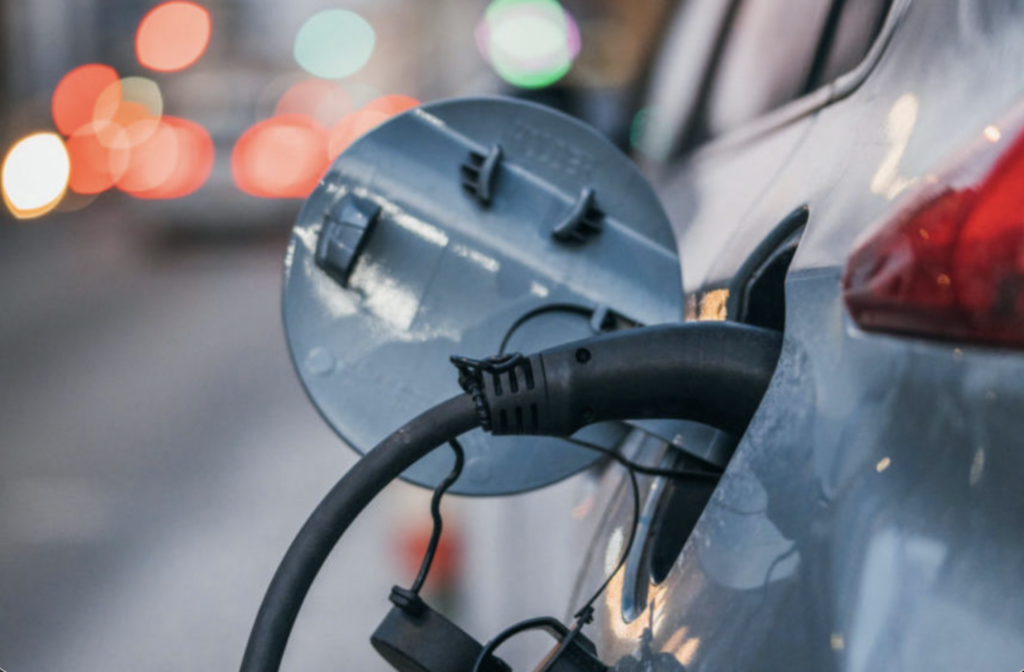
TransnetBW afirma que su proyecto piloto junto a Octopus Energy demuestra que 700 vehículos eléctricos pueden aportar flexibilidad a la red dentro de los procesos actuales de redispatch, con potencial de escalar hasta niveles de gigavatios-hora.
Why it matters: Creates a new revenue stream for solar installers by turning EV+solar+storage packages into grid-balancing assets.
This German pilot isn't just a tech demo—it's a blueprint for the future revenue streams of European solar installers. The ability for electric vehicles to provide grid services like redispatch (balancing supply and demand in real-time) creates a powerful new value proposition for solar+storage+EV packages.
Why This Matters for Installers
For solar businesses, this transforms EVs from mere consumption endpoints into grid assets. When you sell a home solar system today, you're selling energy independence. Tomorrow, you could be selling a home energy hub that earns money by supporting the grid. This is particularly relevant in markets like Germany, Spain, and Italy where grid congestion is becoming a serious issue.
Market Implications
The pilot's scale—700 vehicles with gigawatt-hour potential—shows this isn't theoretical. TransnetBW, a major German TSO, validating this within existing redispatch processes means regulatory acceptance is growing. For installers, this signals that V2G (vehicle-to-grid) technology will move from niche to mainstream faster than many anticipate, especially with the EU's push for smart grid integration.
What to Watch For
Solar businesses should:
This development makes the case for integrated energy systems stronger than ever. Installers who position themselves as experts in this convergence will capture premium customers.