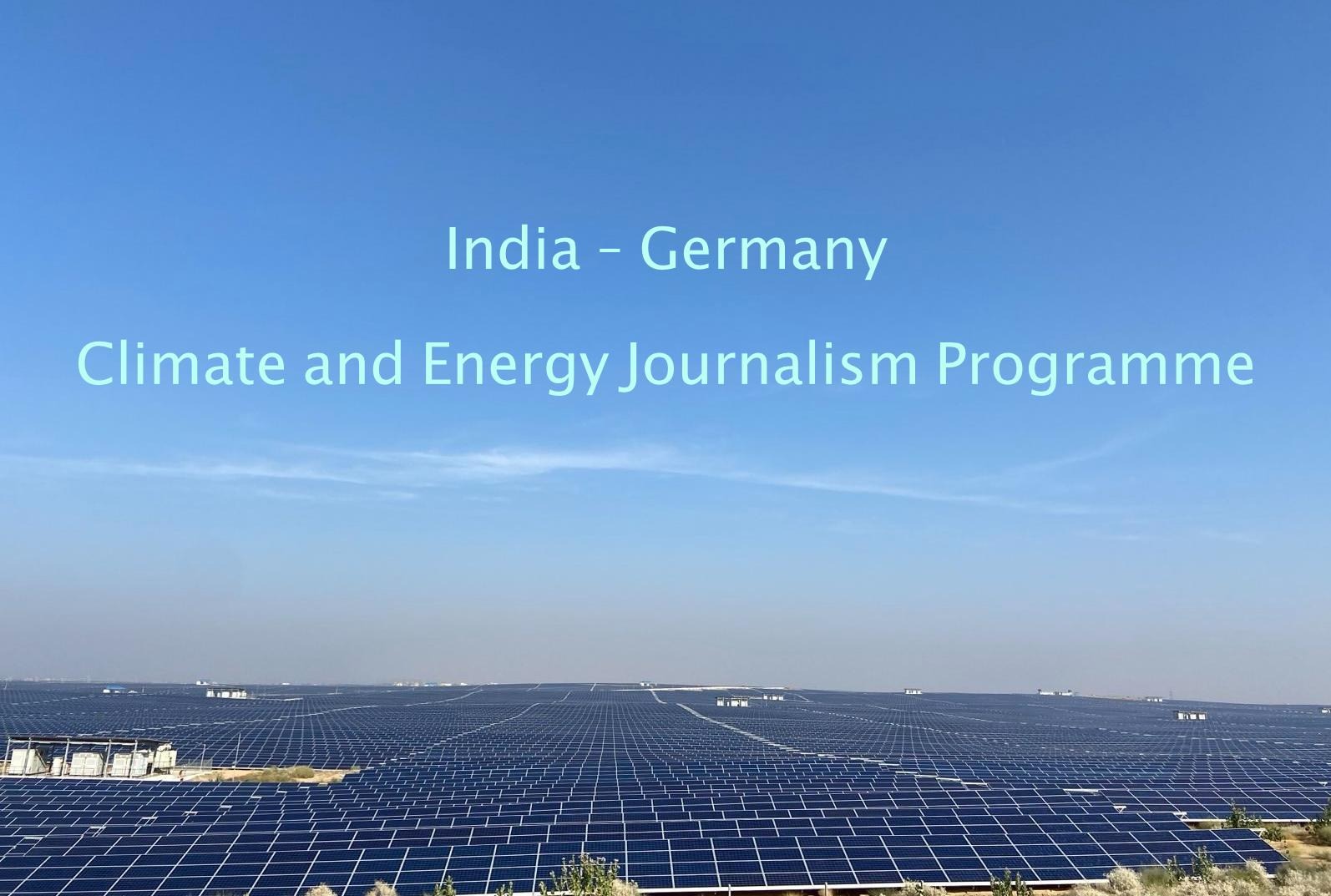
Amid rising geopolitical tensions and the consequences of climate change, India and Germany are strengthening their climate partnership by focusing on green technology, skilled workers, and critical minerals.
Why it matters: Watch for new supply chain options and potential skilled labour pathways emerging from a key EU-India green partnership.
This journalism fellowship is a soft-power indicator of a much harder commercial and strategic reality: Germany is doubling down on India as a critical partner in the green transition. For European solar installers, this isn't just a news story—it's a signal about where capital, policy attention, and supply chain security are headed.
Why This Matters for European Solar
The program's curriculum—covering green tech, CBAM, and skilled labour migration—mirrors the exact pressure points for Europe's solar industry. Germany's industrial policy is increasingly looking east, not just for module manufacturing, but for the entire value chain, including skilled installation labour to address our chronic workforce shortage. This partnership is a hedge against over-reliance on China and a bet on India's massive solar deployment and manufacturing ambitions.
Market Context & Implications
Look beyond the journalism. Chancellor Merz's January 2026 visit underscores a political commitment. We're likely to see:
- Accelerated technology transfer: German engineering firms partnering with Indian manufacturers on next-gen PV and storage tech.
- New trade frameworks: Easier movement of components and potentially skilled workers under mutual recognition agreements.
- Supply chain diversification: More Indian-made modules entering the EU market, potentially with preferential terms as part of broader climate diplomacy.
This creates both competition and opportunity for European installers. Cheaper, diversified supply is good, but it also means staying informed about new product certifications and performance standards from Indian manufacturers.What Solar Businesses Should Watch For
Watch the 'green skills' track closely. If Germany and India formalise pathways for certified solar technicians, it could alleviate the installer shortage plaguing Germany, the Netherlands, and Spain. This could happen faster than many expect. Secondly, monitor the resulting journalism. The stories produced by this cohort will shape German and Indian public and political opinion on the partnership. Positive coverage could smooth the way for more joint ventures and investment. Installers should be prepared to answer customer questions about 'Indian-made' components as they become more prevalent. This program is a canary in the coal mine for a major geopolitical and commercial realignment in solar.