A 1.6GWh grid-forming battery energy storage system has received EPBC Act approval in Queensland, Australia.
Why it matters: Prepare your business for the shift toward grid-forming solar systems to stay ahead of upcoming grid stability requirements.
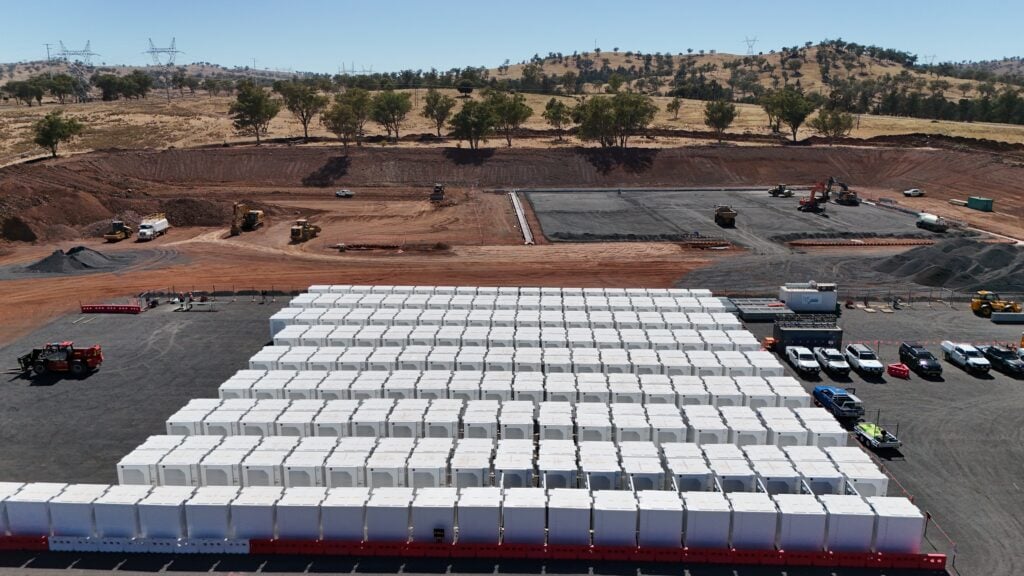
A 1.6GWh grid-forming battery energy storage system has received EPBC Act approval in Queensland, Australia.
The Shift Toward Grid Stability
While this project is located in Queensland, the approval of a 1.6GWh grid-forming battery is a bellwether for the European energy transition. As we continue to integrate higher penetrations of intermittent PV across the continent, grid inertia is becoming the primary bottleneck for new capacity.
Why This Matters for EU Installers
For European solar installers, this signals a transition from simple behind-the-meter storage to grid-interactive systems. We are moving away from an era where solar was just about 'self-consumption' to an era where the hardware you install must actively participate in grid stabilization. Installers who master the configuration of grid-forming inverters now will have a significant competitive edge as national grid operators (TSOs) begin to mandate these features for commercial and utility-scale projects.
Market Implications
Capacity vs. Flexibility: The industry is shifting focus from pure MWh capacity to the ability to provide 'Fast Frequency Response' (FFR). In markets like Germany, the Netherlands, and the UK, being able to offer grid services can turn a standard battery installation into a revenue-generating asset for the homeowner or business owner.
What Businesses Should Watch