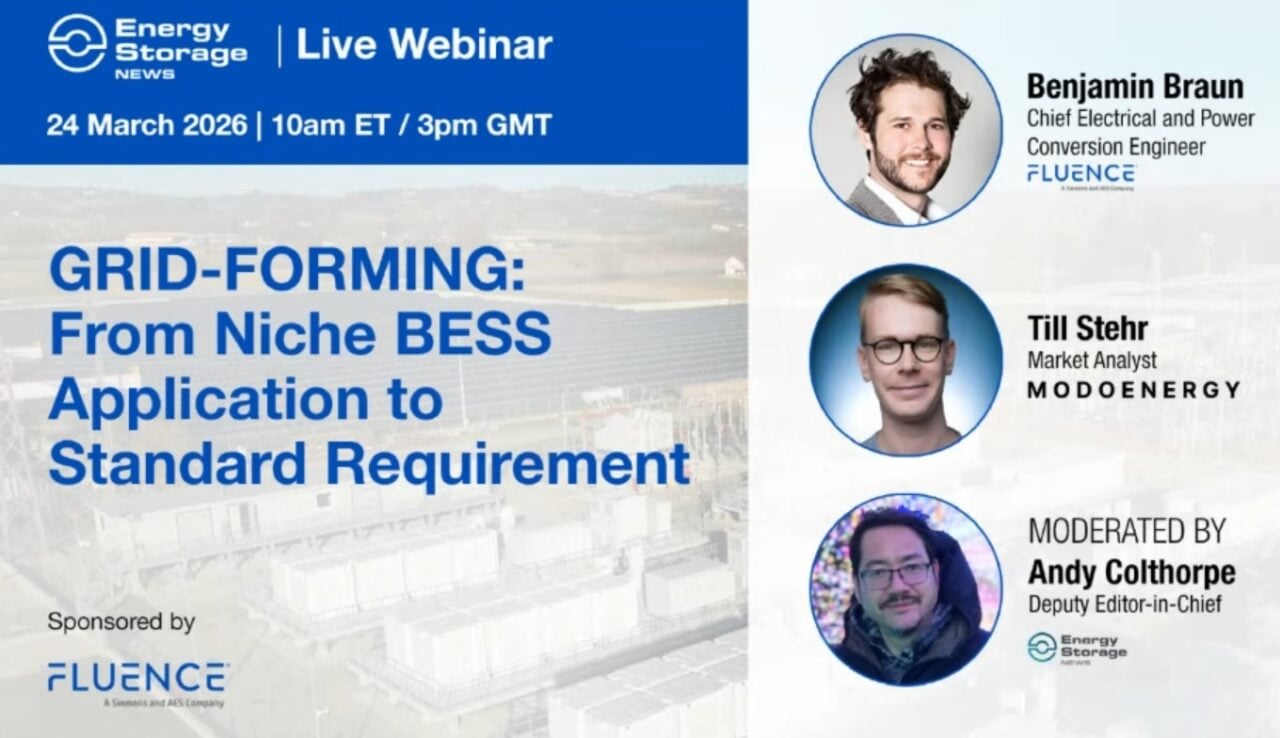
Grid-forming (GFM) technology is transitioning from a niche application to a standard requirement in many energy storage and renewable energy projects. As inverter-based resources become the dominant source of power on the grid, their ability to provide grid-forming services is essential for system stability.
Why it matters: Future-proof your solar projects by adopting grid-forming inverter technology to ensure compliance with tightening European grid connection standards.
The Shift Toward Grid Stability
For European solar installers and EPCs, the transition to grid-forming (GFM) inverters is no longer a technical curiosity—it is a fundamental shift in project bankability. As we integrate higher penetrations of intermittent PV and storage, grid operators (TSOs/DSOs) are increasingly mandating GFM capabilities to replace the synthetic inertia traditionally provided by fossil-fuel synchronous generators.
Why This Matters for Installers
1. Regulatory Compliance: Grid connection codes across Europe, particularly in the UK, Germany, and the Nordics, are tightening. If your projects aren't GFM-ready, you risk lengthy connection delays or costly retrofits. Installers must pivot their procurement strategies to prioritize inverters that support these advanced control modes.
2. Revenue Stacking: Moving beyond simple energy arbitrage, GFM-capable assets can participate in lucrative frequency response and ancillary service markets. This increases the internal rate of return (IRR) for your clients, making your proposals more competitive in a high-interest-rate environment.
Market Implications
Actionable Advice
Solar business owners should audit their current inverter portfolio and engage with their suppliers on their product roadmaps regarding GFM compliance. Do not wait for the grid code to mandate these features; offer them as a value-add to commercial and industrial (C&I) clients who prioritize grid resilience and future-proofed infrastructure.