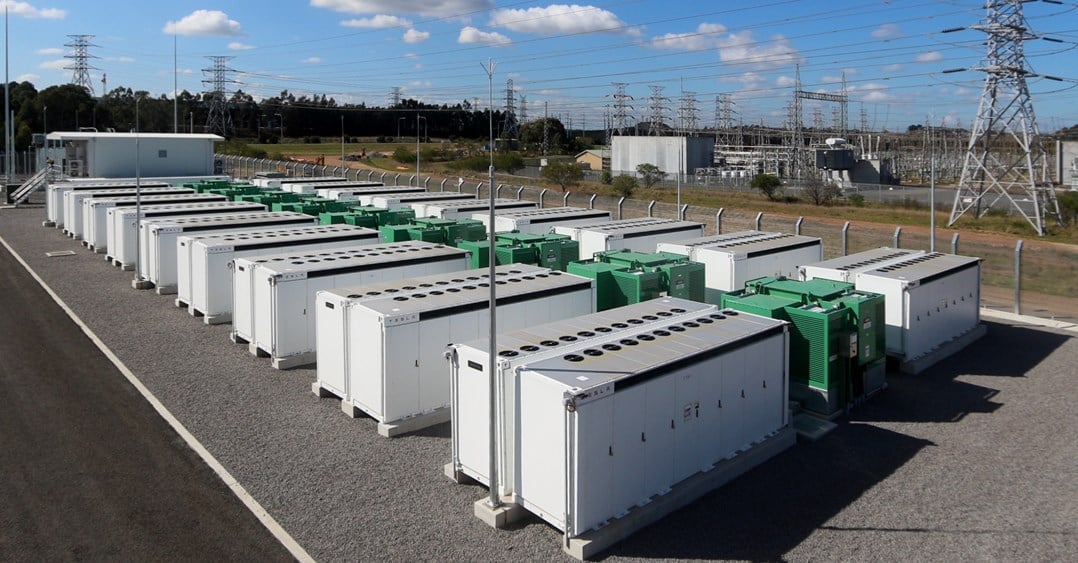
Transgrid has shortlisted nine utility-scale battery storage projects, totalling up to 2GW, to provide critical system strength services.
Why it matters: Capitalize on the transition from simple solar self-consumption to grid-balancing services by adopting VPP-ready hardware today.
The Shift from Energy to Grid Services
While this news originates in New South Wales, the transition from coal-fired baseload to battery-provided system strength is a blueprint for the European energy transition. As we see higher penetrations of intermittent solar across the DACH and Mediterranean regions, grid operators are increasingly struggling with inertia and short-circuit levels—the exact 'system strength' issues Transgrid is addressing.
What This Means for European Installers
For the average European solar installer, the message is clear: the revenue model for storage is decoupling from simple peak-shaving. We are entering an era where residential and commercial batteries will need to move beyond self-consumption optimization to play a role in grid balancing. If your firm isn't already integrating VPP (Virtual Power Plant) capabilities into your installations, you are leaving future-proof revenue on the table.
Market Implications:Actionable Advice
Watch for local grid operator (DSO) tenders for flexibility services. Even on a residential scale, aggregators are beginning to pool battery capacity to bid into these markets. Start vetting your inverter and battery partners to ensure they are 'grid-ready'—meaning they support advanced communication protocols like IEEE 2030.5 or OpenADR. The businesses that thrive in the next decade won't just sell panels; they will sell stability to a grid that desperately needs it.