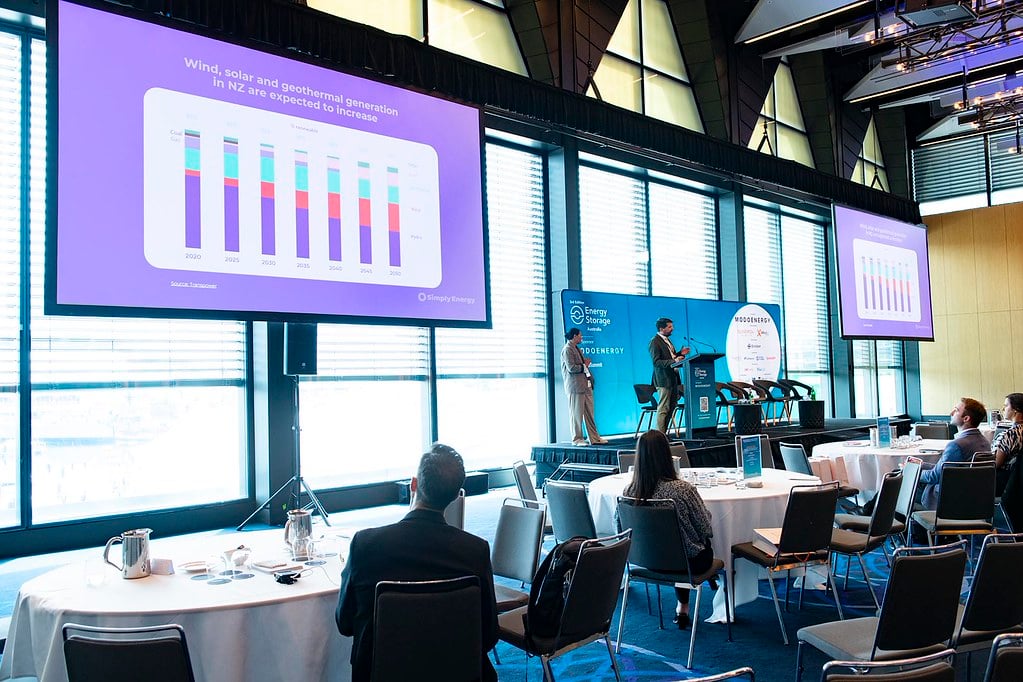
New Zealand's fragmented electricity market structure is creating both opportunities and obstacles for industrial battery storage, as demonstrated by CentrePort Wellington's upcoming deployment.
Why it matters: Diversify your revenue streams by positioning battery storage as a mandatory hedge against volatile European grid pricing.
The C&I Storage Frontier
While this case study hails from New Zealand, the underlying mechanics mirror the shifting landscape for European solar installers. As European grids face increasing congestion and volatile spot prices, the transition from 'solar-only' to 'solar-plus-storage' is no longer a luxury—it is the primary value proposition for the Commercial & Industrial (C&I) sector.
Why This Matters for Installers
European installers must pivot from simple rooftop PV installations to integrated energy management systems. Clients are no longer just looking to offset consumption; they are looking for arbitrage opportunities. By deploying BESS (Battery Energy Storage Systems), installers can help businesses navigate the 'duck curve' and avoid peak-hour grid tariffs that are becoming increasingly punitive across the EU.
Market Context & Implications
Strategic Outlook
Watch for the convergence of EV charging infrastructure and BESS. The most successful European installers in 2025 will be those who stop selling 'solar panels' and start selling 'energy resiliency packages.' If you aren't already training your sales team on the ROI of industrial battery storage, you are leaving significant margin on the table. Focus on clients with high night-time loads or those in regions with high peak-demand charges; these are your lowest-hanging fruit for high-ticket storage integrations.