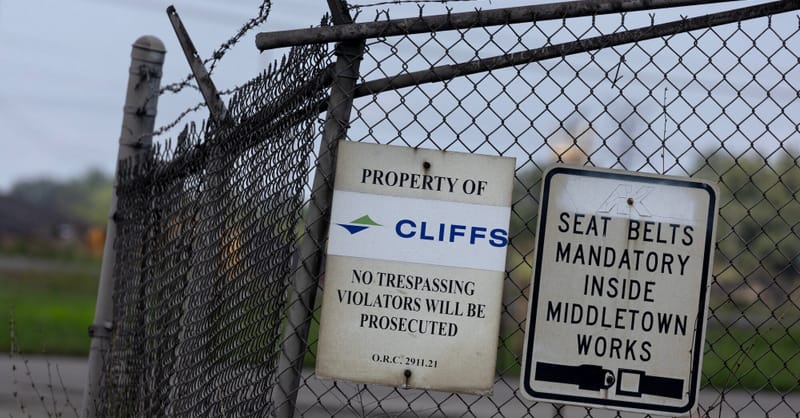
Cleveland-Cliffs appears poised to lock its Middletown Works steel mill into using fossil fuels for at least the next two decades. The steel manufacturer had already abandoned its plan to replace a coal-based blast furnace at the southwest Ohio plant with cleaner, hydrogen-ready technology and electric furnaces.
Why it matters: Position your industrial solar offerings as a risk-mitigation tool against energy price volatility rather than just a sustainability upgrade.
Industrial Decarbonization vs. Reality
The pivot of Cleveland-Cliffs from hydrogen-ready infrastructure back to coal is a sobering case study for European solar installers targeting the C&I (Commercial & Industrial) sector. While the EU’s Green Deal and CBAM (Carbon Border Adjustment Mechanism) create a legislative tailwind for electrification, this news highlights that capital-intensive industrial players remain hyper-sensitive to energy price volatility and grid reliability.
Why This Matters for European Installers
For solar businesses, this serves as a reminder that the 'low-hanging fruit' of commercial rooftop solar is only the beginning. When pitching to heavy industry, you cannot rely solely on sustainability mandates. You must lead with energy security and price hedging. If a client fears that transitioning to electric furnaces will expose them to unpredictable grid prices without a robust onsite generation and storage strategy, they will default to legacy fossil fuels.
Market Implications and Strategy
Watch for a divergence in the EU market: companies that successfully integrate onsite renewables with industrial processes will thrive under CBAM, while those that delay electrification due to 'grid anxiety' will lose their competitive edge as carbon pricing bites. Position your business as the partner that solves the reliability gap, not just the sustainability gap.