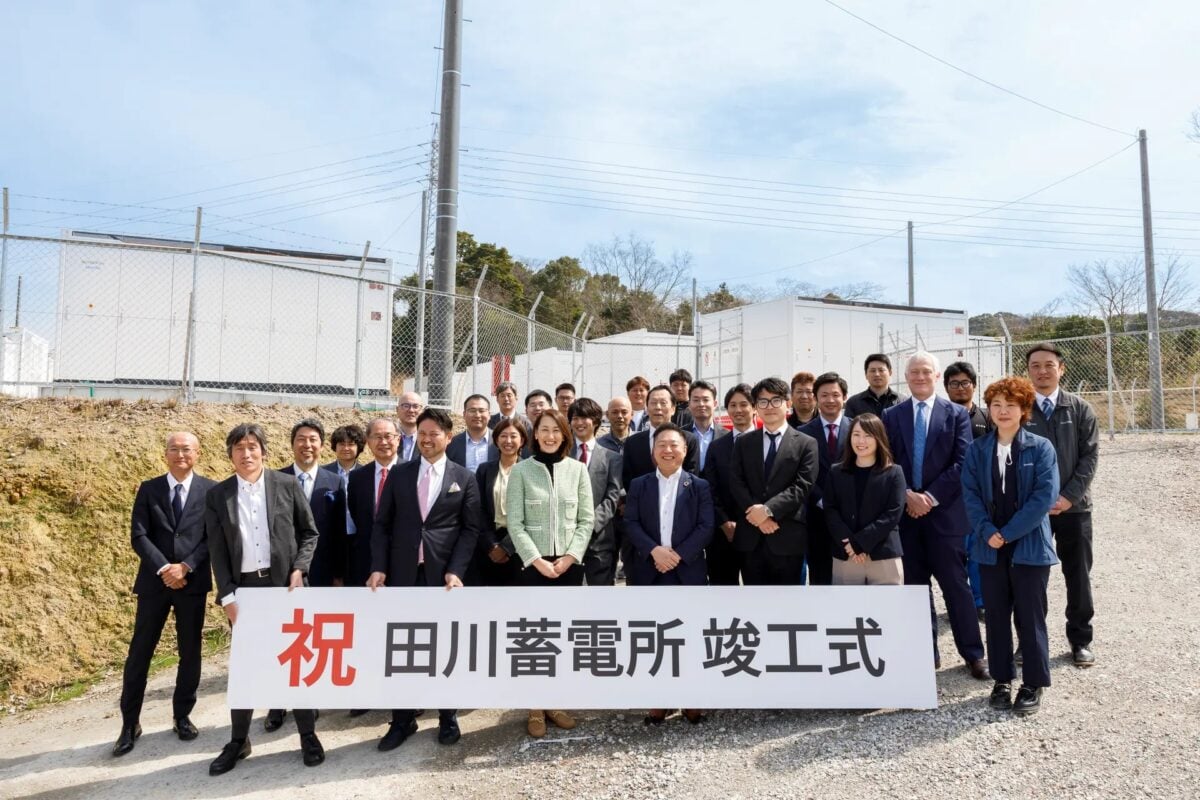
Hexa Energy Services has inaugurated what is thought to be Japan’s first operational battery storage project with a capacity market contract.
Why it matters: Pivot your sales strategy to emphasize grid-balancing and capacity revenue rather than just self-consumption savings.
The Shift from Arbitrage to Reliability
While Japan’s energy market operates under a unique regulatory framework, the commissioning of Hexa Energy’s BESS project is a canary in the coal mine for European installers. We are witnessing a fundamental shift in the battery storage value proposition: the move away from pure energy arbitrage towards guaranteed capacity payments.
Why This Matters for European Installers
Market Implications
Europe is currently fragmented, but as national grid operators (TSOs) move toward more sophisticated capacity mechanisms to manage the intermittency of renewables, the demand for 'dispatchable' behind-the-meter storage will skyrocket. The Japanese model proves that governments are willing to pay for reliability, not just raw generation.
What to Watch For
Keep a close eye on the regulatory evolution of your local capacity market. We expect to see a surge in demand for larger, utility-grade software management systems in the residential sector. Installers who master the integration of VPP-capable inverters today will be the ones winning the commercial and industrial (C&I) tenders of 2026. Stop selling hardware; start selling grid-balancing capability.