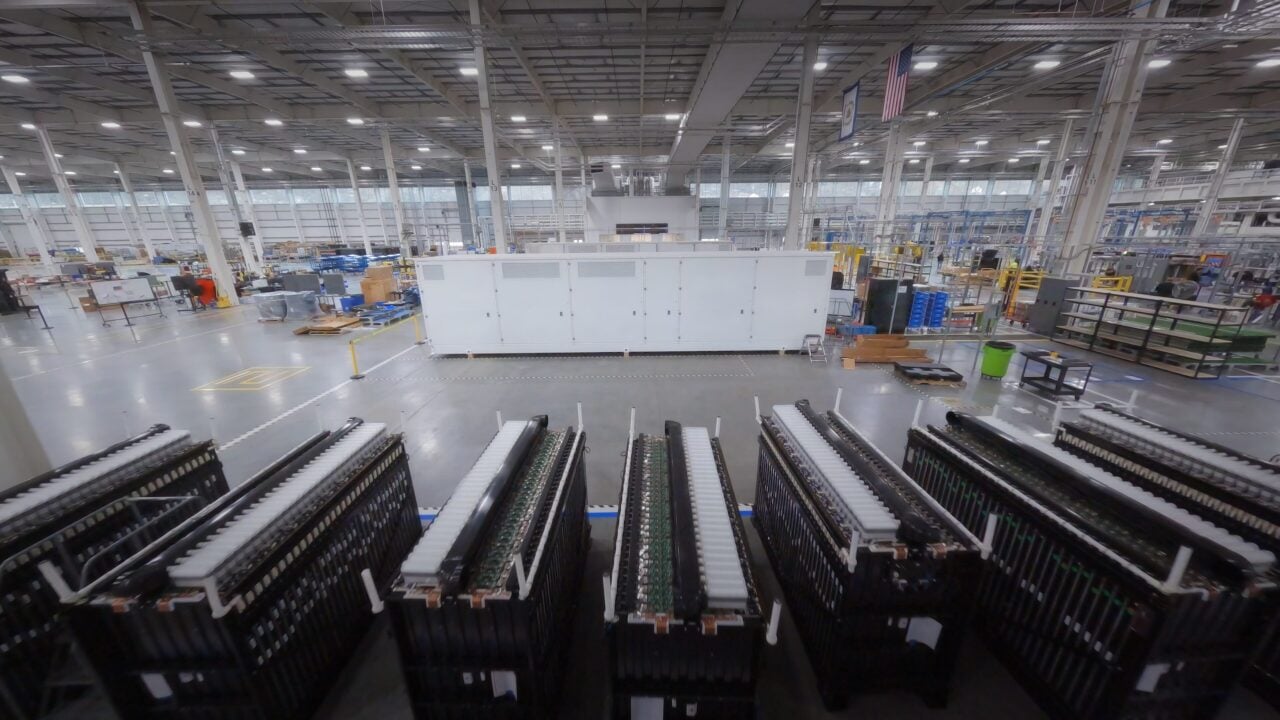
Form Energy, Noon Energy and Ore Energy are all commercialising proprietary 100-hour battery technologies for LDES applications, but how do they compare on metrics like cost, energy density and round-trip efficiency?
Why it matters: Prepare your commercial client portfolio for the transition from short-term peak shaving to long-term grid independence using emerging LDES technology.
The Shift Beyond Short-Duration Storage
For European solar installers, the current market is defined by 2-4 hour lithium-ion residential and C&I storage systems. However, as the grid faces increasing curtailment during peak production hours, the emergence of 100-hour Long-Duration Energy Storage (LDES) technologies from players like Form, Noon, and Ore represents a fundamental shift in the value proposition of solar assets.
Why this matters for installers- Asset Valuation: Moving from diurnal shifting to multi-day buffering allows solar farms to act as baseload power, significantly increasing the bankability of large-scale solar projects.
- Grid Congestion: These technologies mitigate the 'duck curve' effect, potentially lowering the barrier for grid connection approvals in saturated markets like the Netherlands or Germany.
Market ContextWhile the industry has been obsessed with lithium-ion price drops, those chemistries are ill-suited for the 100-hour discharge cycles required for seasonal load balancing. The move toward iron-air (Form), carbon-oxygen (Noon), and sulfur-based (Ore) chemistries signals a transition toward lower-cost, Earth-abundant materials. This is critical for Europe, which is aggressively seeking to decouple its energy infrastructure from supply chains heavily reliant on non-EU mineral processing.
Strategic OutlookSolar businesses should watch for the pilot project results coming out of these firms over the next 18 months. While these technologies are currently focused on utility-scale applications, the eventual downscaling to C&I microgrids will be the next frontier. Installers should begin evaluating which of their commercial clients have high-capacity, mission-critical energy needs that could benefit from long-duration storage as a hedge against volatile spot-market pricing. Don't wait for the technology to mature fully; start identifying the 'energy-hungry' client profiles now to be the first to offer these hybrid solar-LDES solutions when they hit the market.