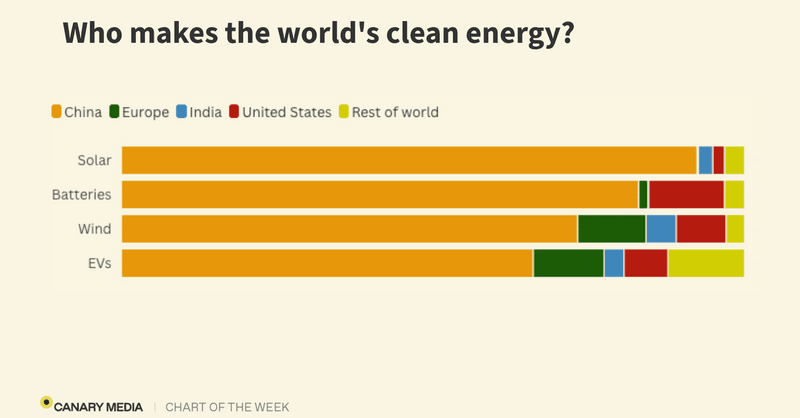
In the European Union, solar and wind now produce more electricity than do all fossil fuels combined.
Why it matters: Secure your supply chain now to capitalize on the shift toward European energy independence and avoid being sidelined by hardware shortages.
The EU Energy Transition Pivot
The milestone of renewables overtaking fossil fuels in the European grid is a massive win, but it masks a precarious reality for installers: the supply chain remains heavily skewed toward non-EU manufacturing. While the headlines celebrate the generation capacity, the hardware powering it is still predominantly imported, creating a vulnerability in lead times and price volatility.
What This Means for Your Business
Market Outlook
We are entering a phase where the 'low-hanging fruit' of easy solar adoption is gone. Future growth depends on complex integrations—storage, heat pumps, and EV chargers. Installers who focus on the software-driven ecosystem rather than just the hardware will thrive. Watch the EU's Net-Zero Industry Act closely; it will dictate which hardware qualifies for future subsidies and local content requirements. Positioning your procurement strategy now to align with these upcoming mandates will save you from a major pivot in 2026.