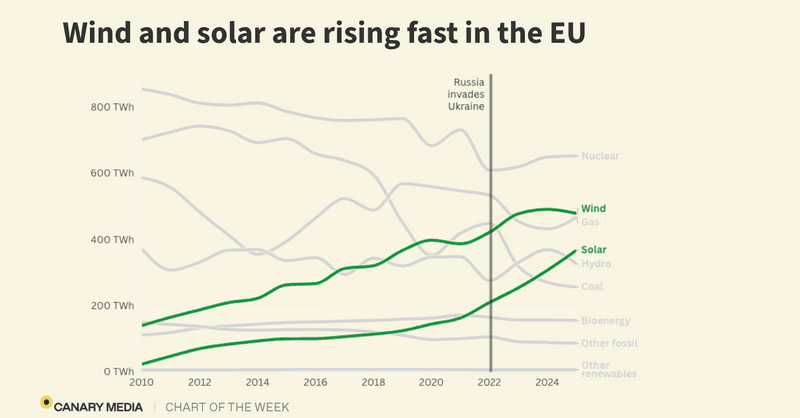
The European Union is once again facing an energy crisis due to its reliance on imported fossil fuels — and is once again poised to lean into renewables to blunt the effects.
Why it matters: Leverage renewed fears of energy insecurity to position solar and storage as essential long-term protection against volatile fossil fuel markets.
Geopolitical Volatility as a Sales Driver
The latest escalation in the Middle East is more than a geopolitical headline; it is a structural mandate for the European energy transition. For solar installers, this signals a return to the 'energy security' sales narrative that proved so effective in 2022. While the initial panic of the Ukraine crisis has subsided, the underlying vulnerability of Europe’s energy imports remains, ensuring that energy independence stays at the top of the legislative agenda.
Market Implications
What Installers Must Do Now
Stop selling solar as a luxury home improvement and start selling it as an essential utility hedge. Your clients are likely anxious about winter heating costs and grid stability. Focus your marketing on total energy independence—pairing solar with heat pumps and EV chargers. If you aren't already bundling storage solutions into every quote, you are leaving money on the table and failing to provide the security your customers are actively seeking. Watch for new subsidy rounds linked to 'strategic energy autonomy' funds in your specific region; these will be the primary drivers of deal flow in the coming quarters.