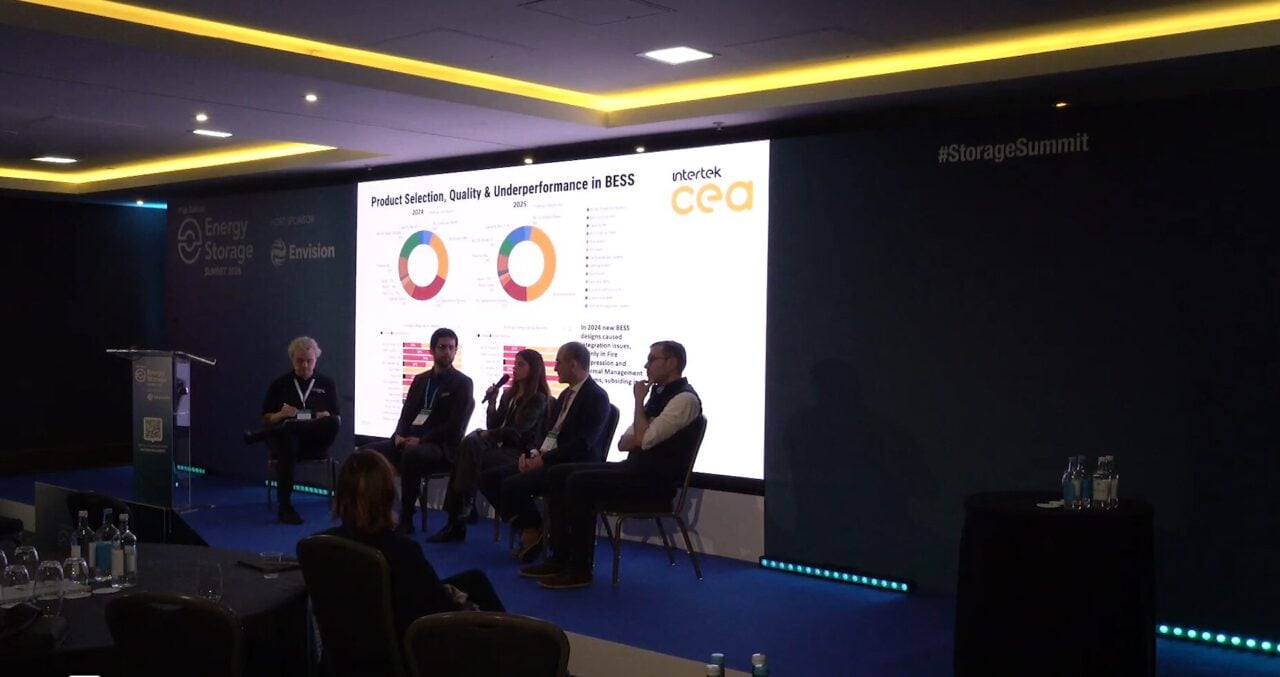
How do you ensure quality and performance and mitigate risk when buying BESS equipment? Expert speakers from consultancies, analytics firms and independent power producers discussed the topic in a recent panel discussion.
Why it matters: Prioritize long-term hardware reliability over low upfront costs to avoid costly warranty claims and protect your reputation.
The Quality Control Imperative
For European residential and C&I installers, the transition from 'solar-only' to 'solar-plus-storage' is no longer optional—it is the primary driver of revenue. However, as the BESS market matures, the technical debt associated with poor procurement is starting to hurt bottom lines. When batteries fail or underperform, the installer—not the manufacturer—is the one facing the customer service nightmare and potential warranty liability.
Market Context: The Reliability Gap
We are seeing a flood of Tier 2 and Tier 3 battery manufacturers entering the European market, often undercutting established players on price. While the margins look attractive, the hidden costs of firmware instability and cell degradation often wipe out those gains within 24 months. Installers must pivot from 'spec-sheet buying' to 'due diligence procurement.' This means moving beyond capacity and power ratings to scrutinize:
Actionable Advice for Installers
Stop treating the battery as a commodity component. Start treating it as a software-defined asset. Your business reputation is tied to the longevity of the cells you install. If you cannot verify the manufacturer’s supply chain transparency or their long-term service capability in your specific country, the short-term margin isn't worth the long-term risk to your brand equity.