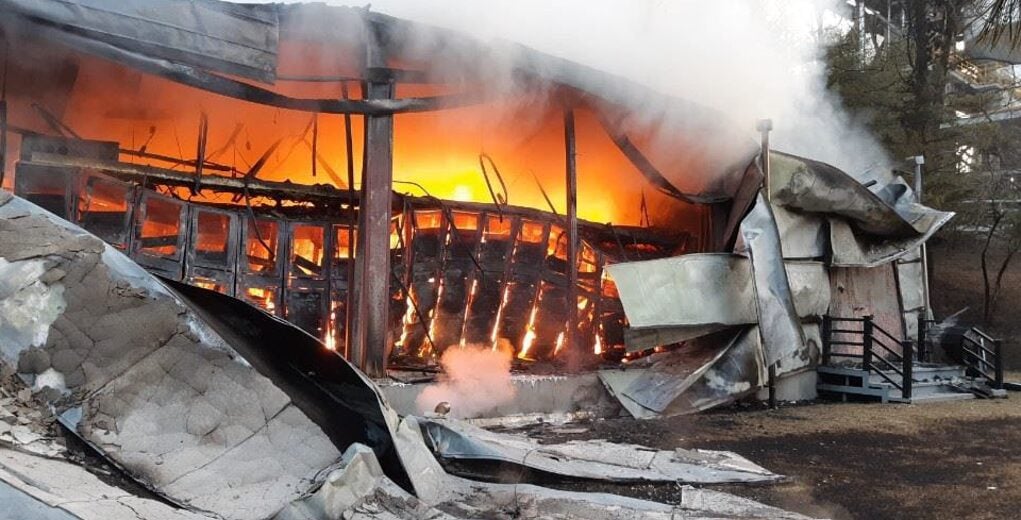
BESS safety issues become all too visible when it's already too late, but a considered approach through the full lifecycle can mitigate these and many other risks.
Why it matters: Protect your business by shifting from reactive installations to proactive, lifecycle-focused battery safety management.
The Hidden Liability in Residential Storage
For European solar installers, the rapid shift toward bundled solar-plus-storage solutions has created a 'set-it-and-forget-it' mentality that is fundamentally dangerous. As the market pivots from simple PV installs to complex battery integration, the responsibility for safety extends far beyond the point of commissioning. Ignoring the full lifecycle of a BESS unit is a liability trap waiting to spring.
The Operational Reality
Most installers currently lack the telemetry to detect early-stage thermal degradation. This is a critical oversight. In the European market, where stringent fire safety regulations (such as those emerging in Germany and the Nordics) are tightening, installers who fail to implement proactive monitoring will find themselves liable for system failures or, worse, safety incidents. Relying solely on manufacturer warranties is no longer a viable risk management strategy.
Strategic Recommendations
Ultimately, the installers who thrive in the coming years will be those who transition from hardware vendors to 'energy safety partners.' If you cannot explain the safety profile of the batteries you install, you are exposing your business to catastrophic reputational and financial risk.