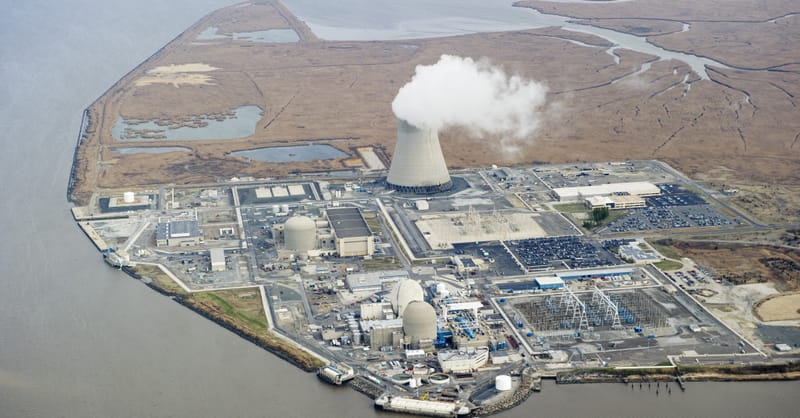
New Jersey has become the sixth state in the last decade, and the second this year, to fully repeal its moratorium on building new nuclear power stations.
Why it matters: Differentiate your solar business by positioning residential battery storage as the immediate, agile alternative to slow-moving, large-scale nuclear infrastructure.
The Baseload vs. Flexibility Debate
While this news originates in the U.S., the policy shift signals a global pivot toward 'all-of-the-above' energy strategies that European solar installers must navigate. As governments increasingly view nuclear as a necessary partner to intermittent renewables, the narrative around grid stability is changing. For European installers, this is a double-edged sword.
Why This Matters for European Installers
The push for nuclear life-extension and new builds in markets like France, Poland, and the Netherlands is often framed as a solution to grid congestion. However, large-scale nuclear projects are notorious for long lead times and cost overruns. Solar installers should leverage this: while politicians debate reactors that won’t come online for a decade, distributed solar and storage are the only solutions that can be deployed today to stabilize local grids and lower consumer bills.
Market Implications
Strategic Advice
Don't let the 'nuclear renaissance' narrative diminish the value of your offering. Position your installations not as a competitor to baseload power, but as the essential 'prosumer' layer that makes the grid flexible. Focus your sales pitch on energy independence and price hedging—two things a state-backed nuclear plant can never offer the individual homeowner or SME.