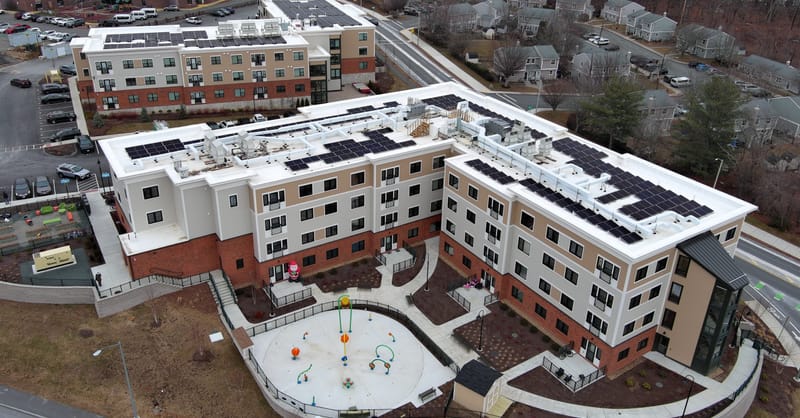
The Solar Upgrading Nonprofits , or SUN, program provides nonprofits with financial and technical assistance to evaluate options for…
Why it matters: Capture the non-profit market segment by packaging technical feasibility studies as a value-added service to lower client barriers.
Unlocking the Non-Profit Segment
The SUN program model highlights a critical friction point in the European solar market: the 'analysis paralysis' that plagues non-profit organizations. While commercial and residential sectors have clear ROI drivers, non-profits often lack the internal expertise to navigate complex procurement and subsidy landscapes. For European installers, this is an untapped market segment that requires a consultative, rather than transactional, sales approach.
The Strategy for Installers
European solar businesses should shift their focus toward 'Solar-as-a-Service' models or community-funded projects to bridge the capital gap for these entities. By acting as the technical partner that handles the feasibility study and the grant application process, installers can position themselves as essential infrastructure partners rather than just hardware vendors.
The takeaway is clear: if you can lower the barrier to entry for organizations that lack technical bandwidth, you will secure high-retention, high-trust contracts that are largely insulated from the volatility of the residential retail market.