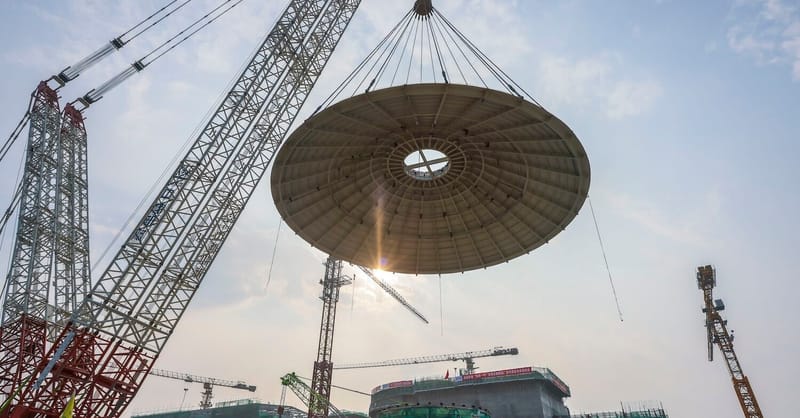
Nuclear energy developers have historically operated by a simple principle: Go big. Reactors cost a lot of money to build, so the logic has been that it’s easier to recoup that investment if the project produces more electricity. Of late, a new generation of companies has made waves by bucking that conventional…
Why it matters: Leverage the speed and modularity of your solar offerings to win clients who are tired of waiting for long-term grid energy solutions.
The SMR Illusion and Distributed Energy
The push for Small Modular Reactors (SMRs) is often framed as a direct competitor to the decentralized energy transition, but for European solar installers, it represents a critical market signal. While the nuclear industry grapples with the 'chicken-and-egg' dilemma of high capital intensity versus unproven scalability, the solar sector is already delivering the modular, rapid-deployment solution that grid operators desperately need.
Market Dynamics: Why Speed Wins
The core issue for SMRs is time-to-market. In the EU, solar installers are currently operating in a landscape where grid interconnection and consumer demand for energy independence are at an all-time high. Unlike nuclear projects that span decades, solar and storage systems can be commissioned in weeks. The 'chicken-and-egg' problem inherent in nuclear—needing massive upfront capital for projects that lack a proven supply chain—is the exact friction that solar has already overcome.
Strategic Outlook for Installers
Don't be distracted by the nuclear debate. Your competitive advantage lies in the decentralized nature of your product. While politicians debate long-term nuclear funding, your customers are looking for immediate relief from high electricity prices. Focus your sales strategy on the 'energy independence' narrative—a benefit nuclear cannot offer a household or SME. As SMRs face inevitable regulatory and financial delays, your ability to deliver immediate, modular, and scalable energy solutions positions you as the primary architect of the European energy transition.