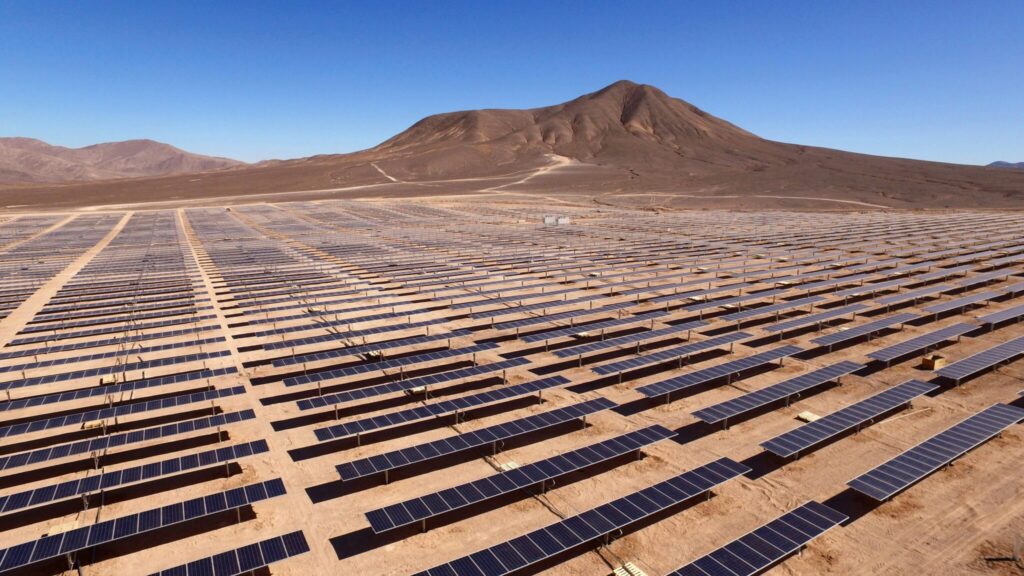
El Boletín Oficial del Estado publicó en la cuarta semana de marzo cinco proyectos renovables. Entre ellos destaca la instalación fotovoltaica Arada Solar, de 140 MW, ubicada en la provincia de Castellón.
Why it matters: Signals a shift towards hybrid solar+storage projects as the new market standard, requiring business model adaptation.
This latest batch of project approvals from Spain's BOE is a clear signal that the Iberian solar market continues to move at pace, but with a crucial evolution: storage is becoming non-negotiable. The 66 MW of BESS paired with 285 MW of PV in this tranche reflects a maturing market where grid integration, not just capacity, is the priority.
Why This Matters for Installers
For European solar businesses, Spain's trajectory is a leading indicator. The consistent, weekly project approvals demonstrate a stable administrative pipeline that smaller installers can rely on. However, the prominence of large-scale projects like the 140 MW Arada Solar plant in Castellón highlights the ongoing bifurcation of the market: utility-scale development and the residential/commercial segment are operating on different planes.
Market Context & Implications
This isn't just about adding megawatts. Spain is methodically building out its renewable base while tackling its historical grid congestion issues head-on. The mandated or incentivized pairing of solar with storage in new developments is a policy trend likely to spread across Southern Europe. For installers, this means the product and service portfolio must expand. Offering solar-only solutions will increasingly limit addressable market share, especially for commercial and industrial (C&I) clients concerned with self-consumption and energy resilience.
What to Watch For
Solar businesses should monitor two things closely: First, how the technical requirements for these large-scale projects trickle down to influence regulations for smaller, distributed systems. Second, the supply chain for BESS components. As demand spikes, lead times and pricing for batteries and inverters with storage capabilities will become a critical factor in project feasibility and profitability. The companies that build expertise in integrated solar+storage design now will have a significant competitive advantage in 12-18 months.