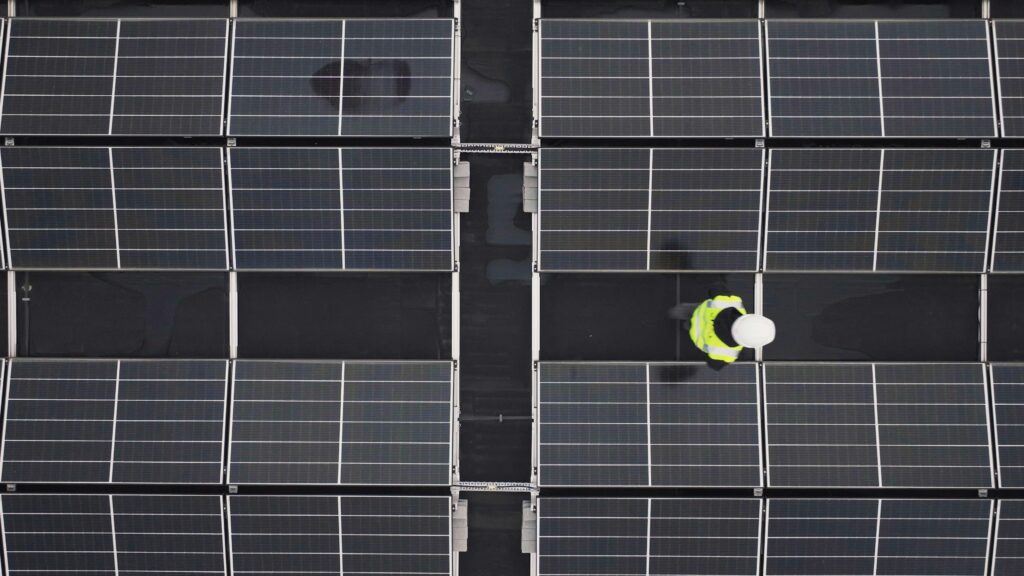
A través de la comunidad energética Calanda Genera, Enel Green y el ayuntamiento gestionan quince instalaciones de autoconsumo compartido que prestan servicio a 1.049 CUPs.
Why it matters: Shows how partnering with municipalities can unlock large-scale community solar projects with recurring revenue.
Why This Matters for European Solar Installers
This isn't just another solar project—it's a blueprint for the future of distributed energy in Europe. A 1MW community solar project serving over 1,000 consumption points demonstrates the massive scaling potential of the energy community model. For installers, this represents a fundamental shift from individual rooftop sales to municipal-scale projects with recurring revenue streams.
Market Context: Spain's Energy Community Boom
Spain has become Europe's laboratory for energy communities, with regulatory frameworks that actually work. The key here is the partnership between Enel Green Power (a utility) and the local municipality. This public-private model solves the two biggest barriers to community solar: financing and customer acquisition. The €2 million investment shows serious money is flowing into this space, while the 1,000 kWh annual allocation per household creates a compelling value proposition that's easy to sell.
What Solar Businesses Should Watch
Three critical takeaways:
The real lesson? Solar is becoming a social infrastructure business, not just a technical one.