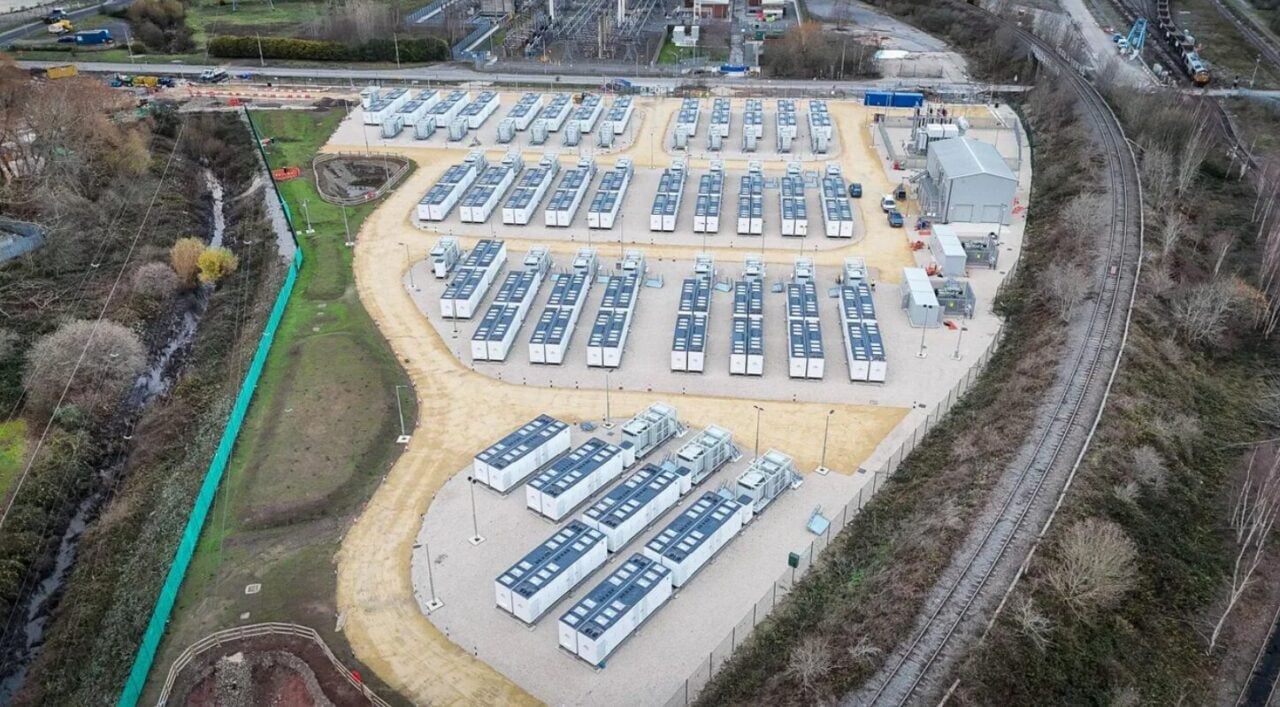
SSE Renewables, Matrix Renewables, Drax and Voltaria have all progressed large-scale BESS projects in the UK, all-in-all totalling 1.8GWh of new capacity.
Why it matters: Diversify your service portfolio by integrating battery storage solutions to solve grid-dependency issues for your clients.
The Shift Toward Hybridization
The UK’s rapid advancement in Battery Energy Storage Systems (BESS) is a clear signal that the energy landscape is shifting from pure generation to grid flexibility. For European solar installers, this 1.8GWh milestone isn't just about utility-scale infrastructure; it is a preview of the residential and commercial retrofit market.
Why it matters for installers:
Market Implications:
Large-scale storage projects are essential for grid stability, but they also highlight the growing dependency on behind-the-meter storage. As utility-scale batteries drive down the cost of lithium-ion technology, the barrier to entry for residential battery installations drops, making it easier for you to close deals on premium, high-capacity systems.
What to watch for:
Keep a close eye on grid connection queues and local DNO (Distribution Network Operator) policies. As large players dominate the transmission-level capacity, the bottleneck will move to the distribution level. Installers who master the permit process for commercial-grade battery retrofits will be the ones to dominate the next phase of the energy transition. Don't just sell the hardware; sell the ability to participate in the future decentralized energy market.